






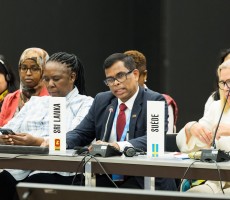
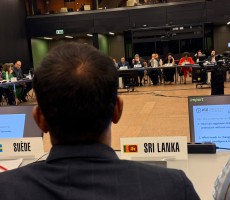
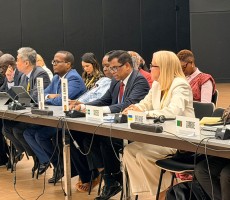
The Permanent Representative of Sri Lanka to the United Nations in Geneva, Ambassador Sumith Dassanayake, addressing the Conference on Disarmament (CD) on 20 August 2026, reiterated Sri Lanka’s long-standing and principled position that outer space is a common heritage of humankind and must be preserved exclusively for peaceful purposes. Ambassador Dassanayake further stated that Sri Lanka firmly rejects any strategic doctrine that seeks to turn outer space as a warfighting domain or a battlefield for geopolitical rivalry, stressing that all space activities must strictly adhere to the UN Charter and the Outer Space Treaty.
Highlighting key outcomes of the recent multilateral deliberations on outer space disarmament, Sri Lanka emphasized that while voluntary Transparency and Confidence-Building Measures (TCBMs) can serve as useful interim steps to build trust, they can never substitute a comprehensive, legally binding, and multilaterally verifiable treaty that prohibits the placement of weapons in outer space.
Ambassador Dassanayake also congratulated the newly appointed Permanent Representative of Pakistan on assuming the Presidency of the Conference on Disarmament and conveyed Sri Lanka’s best wishes for a successful tenure.
Sri Lanka further drew the attention of the Conference on the existential threat posed by space debris in Near-Earth orbit, stressing that the generation of such debris disproportionately affects non-spacefaring developing nations that rely heavily on global space infrastructure. Calling for concrete and effective debris mitigation measures, Sri Lanka cautioned that efforts to manage space threats must not become a pretext for discriminatory restrictions that hinder developing countries from accessing space technologies essential for climate resilience, disaster management, and sustainable development.
Permanent Mission of Sri Lanka to the United Nations in Geneva
23 August 2026


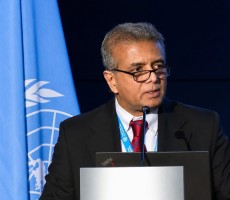
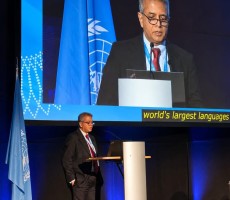
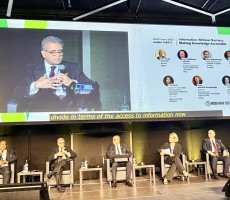
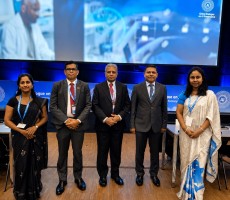
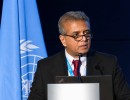
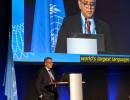
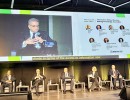
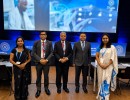
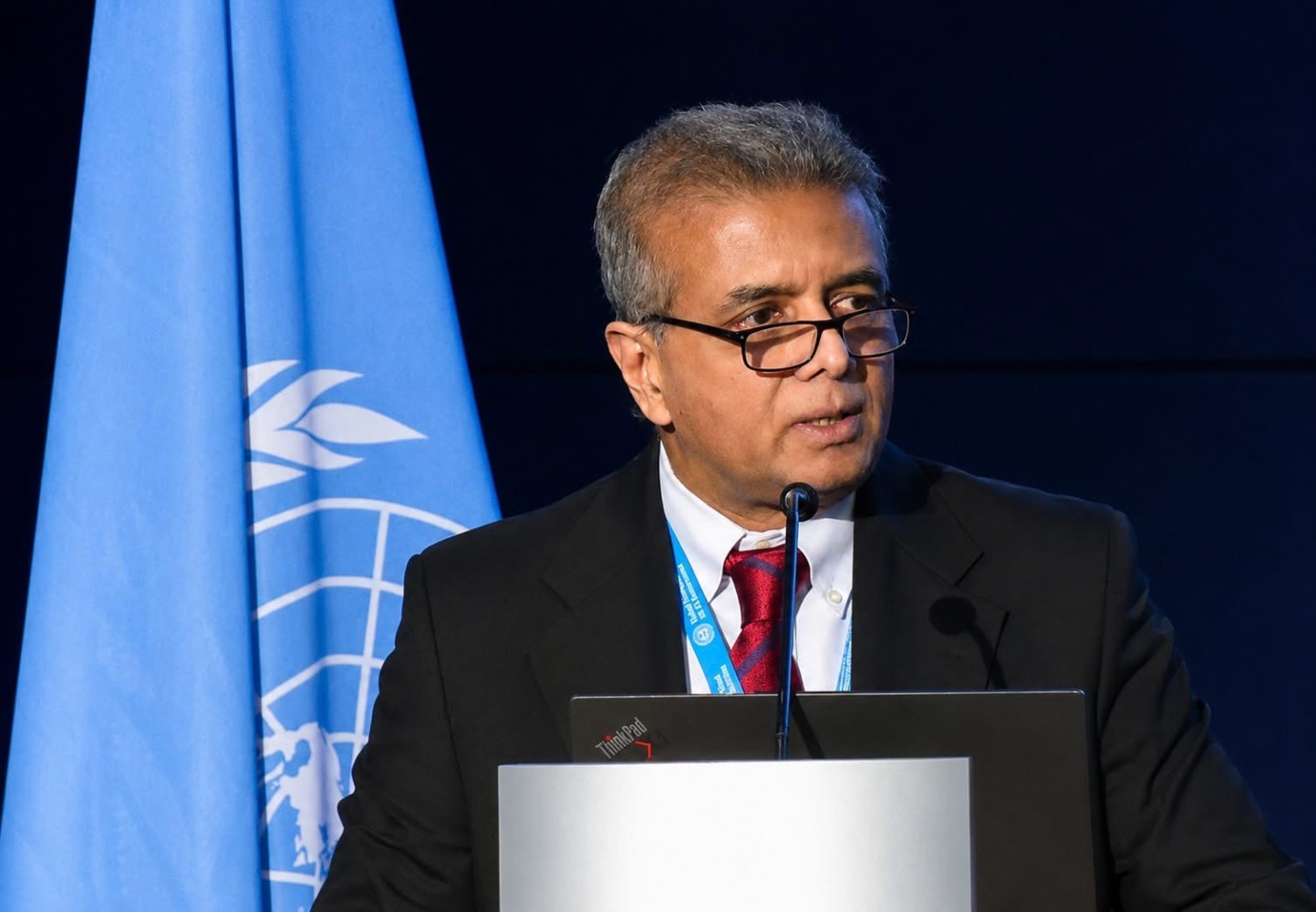
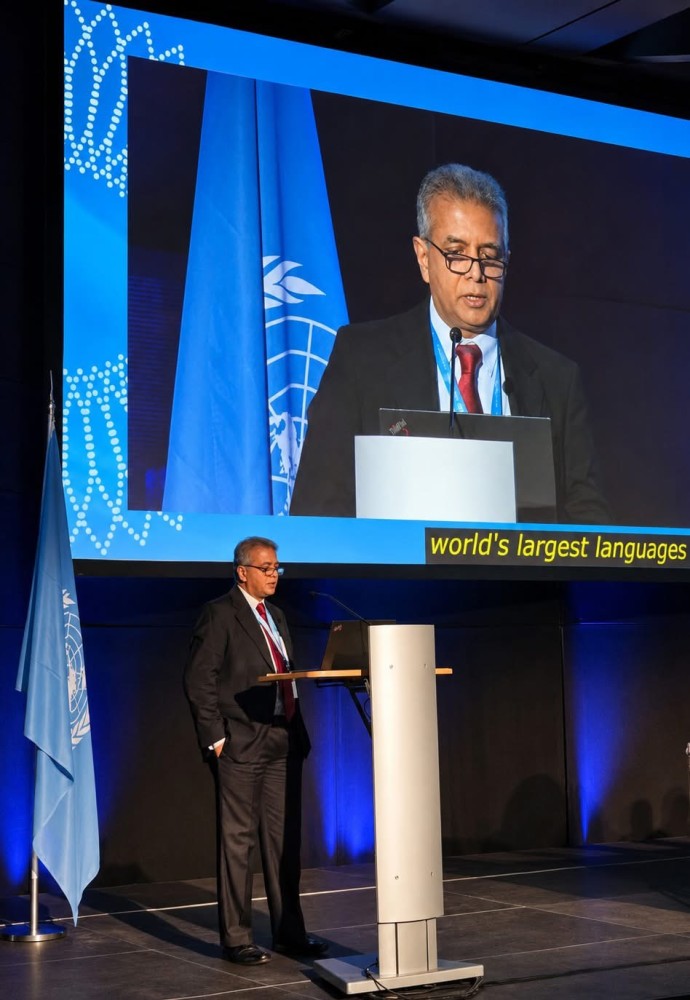
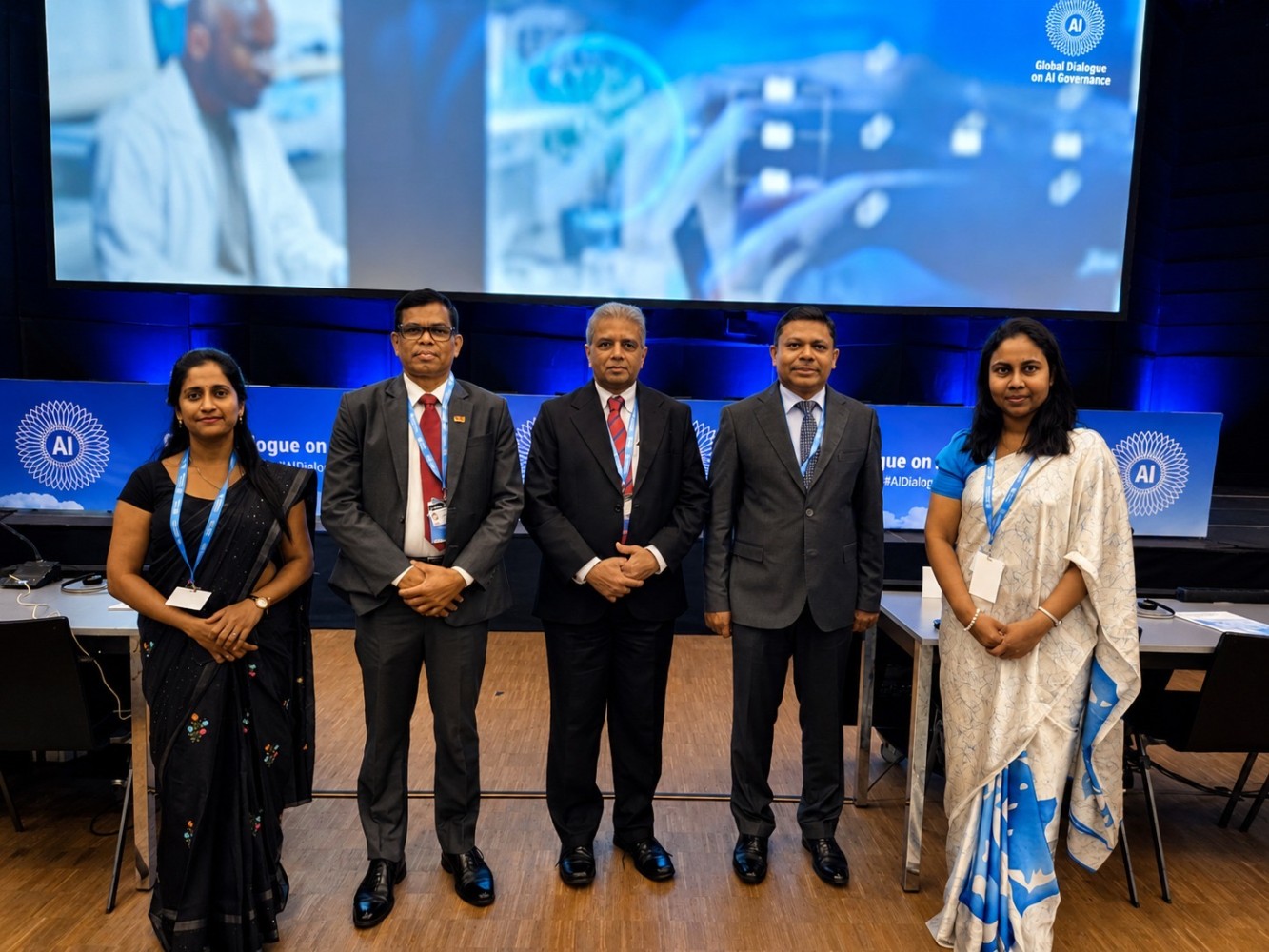
Dr. Hans Wijayasuriya, Chief Advisor to the President of Sri Lanka on Digital Economy participated as the Special Envoy of the President at the world’s largest global digital governance forums held in Geneva from 06-10 July 2026. The global event had three main forums vis-a vis the first United Nations Global Dialogue on AI Governance, World Summit on Information Society (WSIS) Forum and AI for Good Global Summit 2026.
The inaugural session of the Global Dialogue on AI Governance was addressed by the United Nations Secretary-General António Guterres, President of the United Nations General Assembly (UNGA), Annalena Baerbock, and other high-level dignitaries.
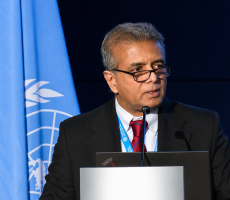
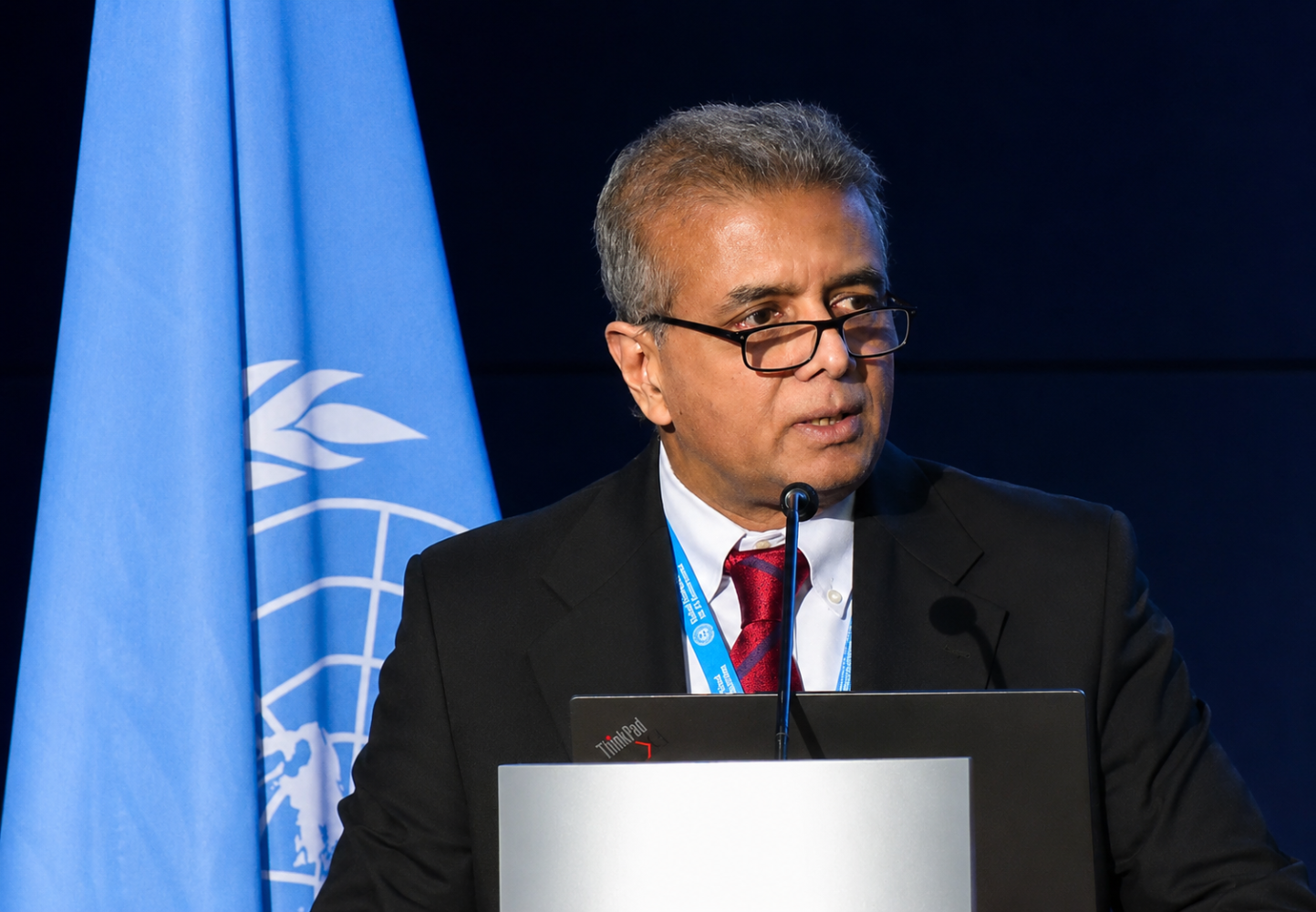
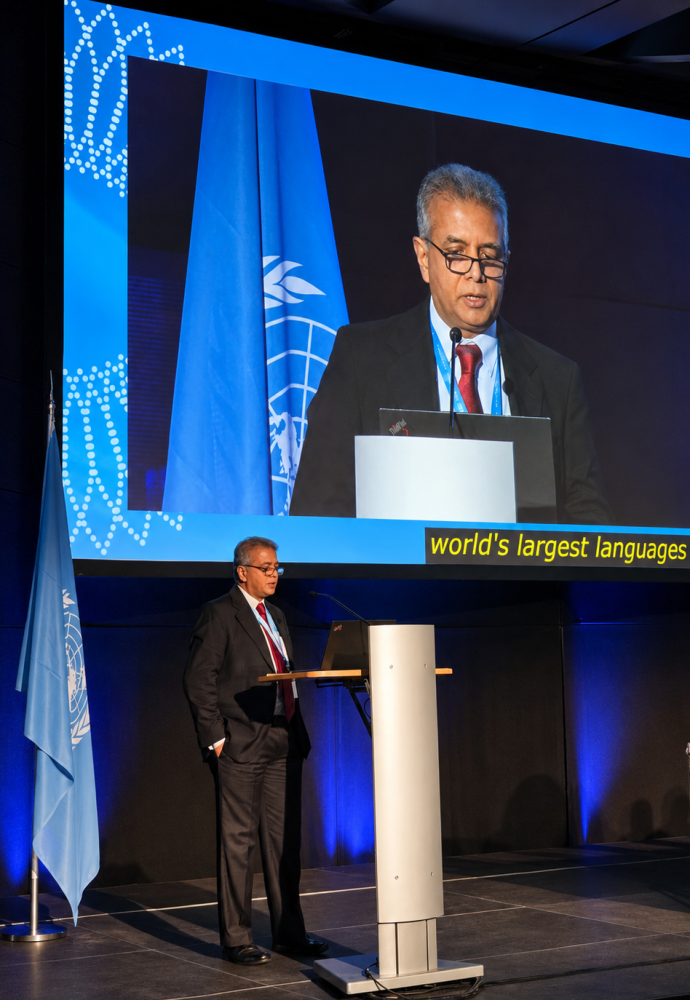
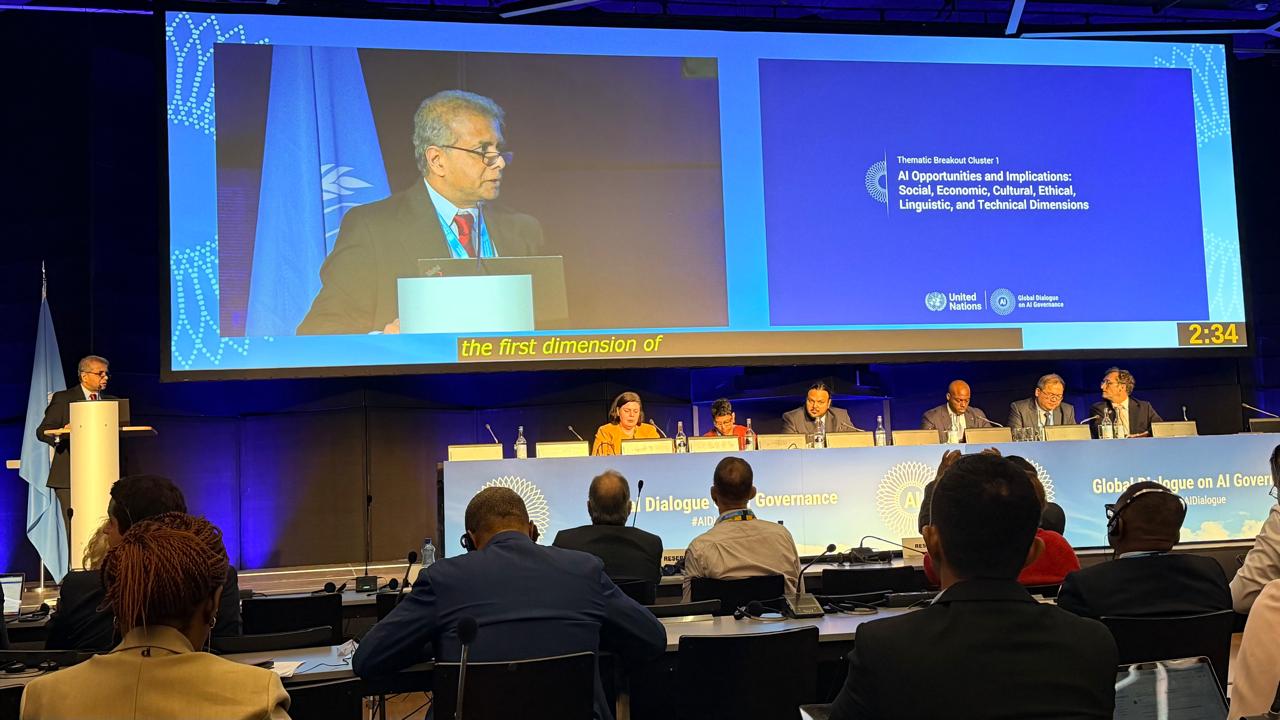
Addressing the historic first universal, UN-led platform on artificial intelligence; the Global Dialogue on AI Governance, Dr. Wijayasuriya underlined the importance of an inclusive international AI architecture that protects the interests of developing nations. He underscored that deep and meaningful inclusion raises the imperative of “Sovereign AI,” where countries can deploy AI in ways that reflect their own national priorities, cultures and languages without compromising independence, sensitive data or national resilience.
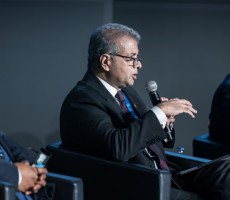
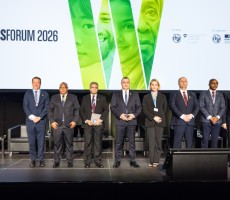
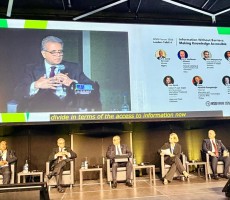
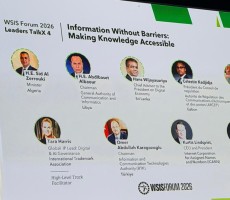
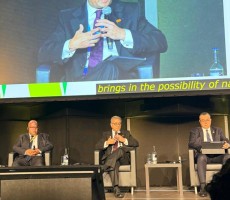
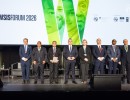
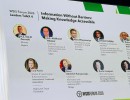
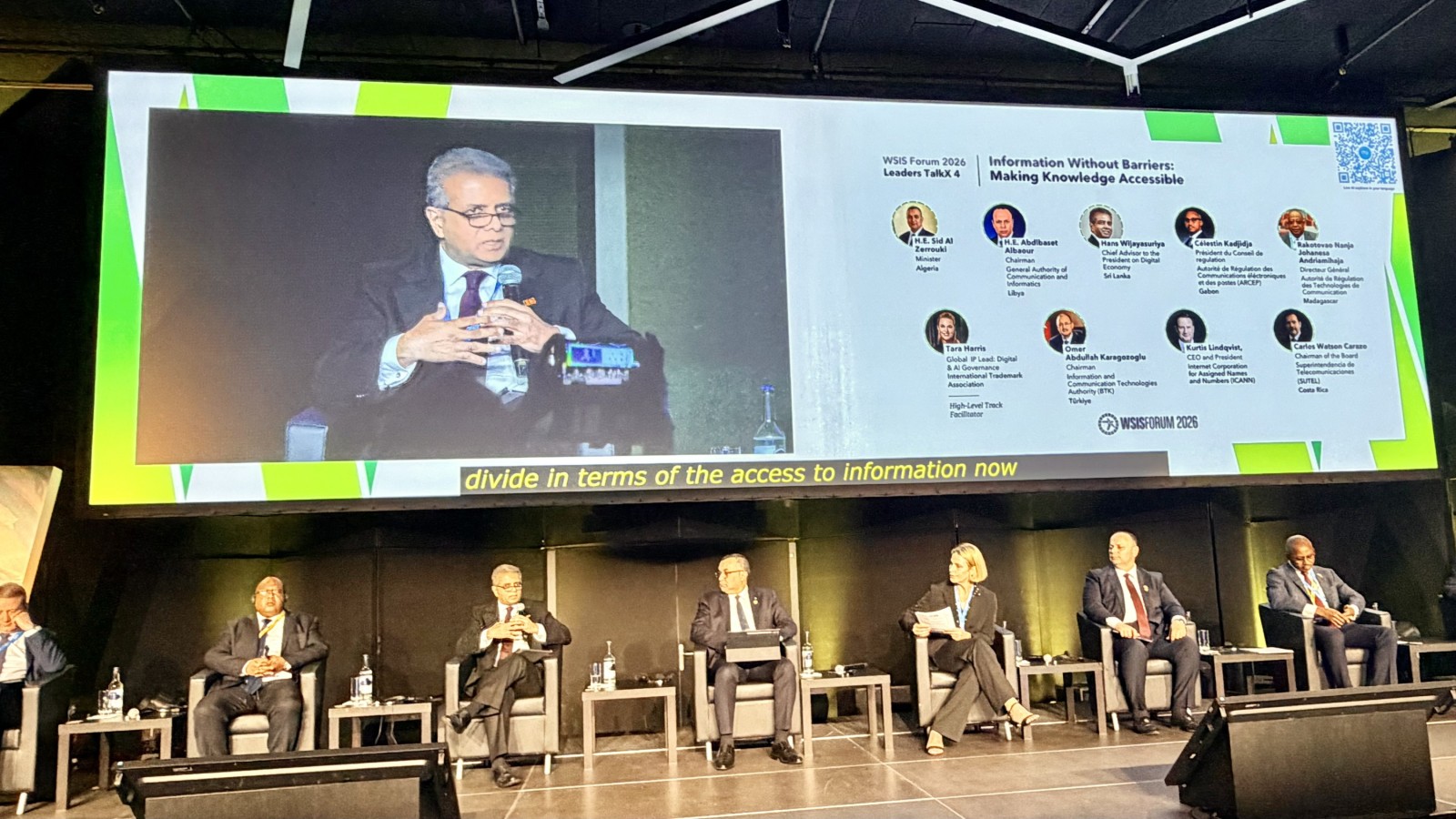
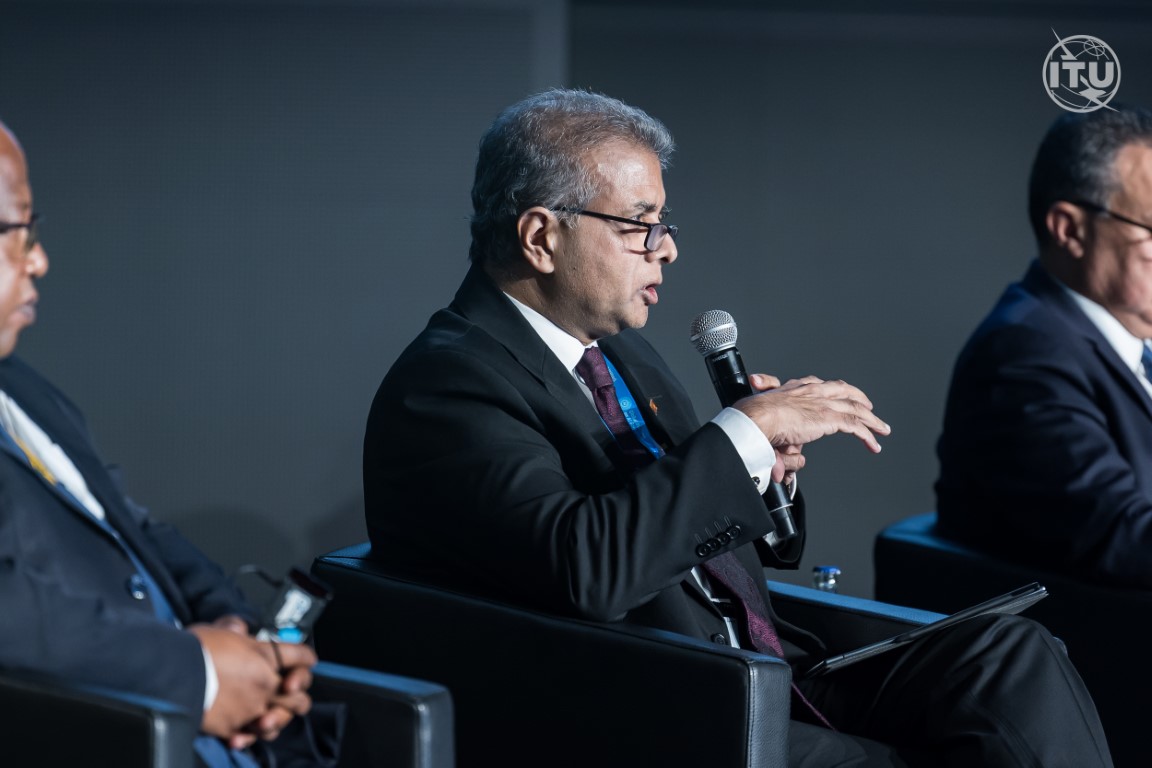
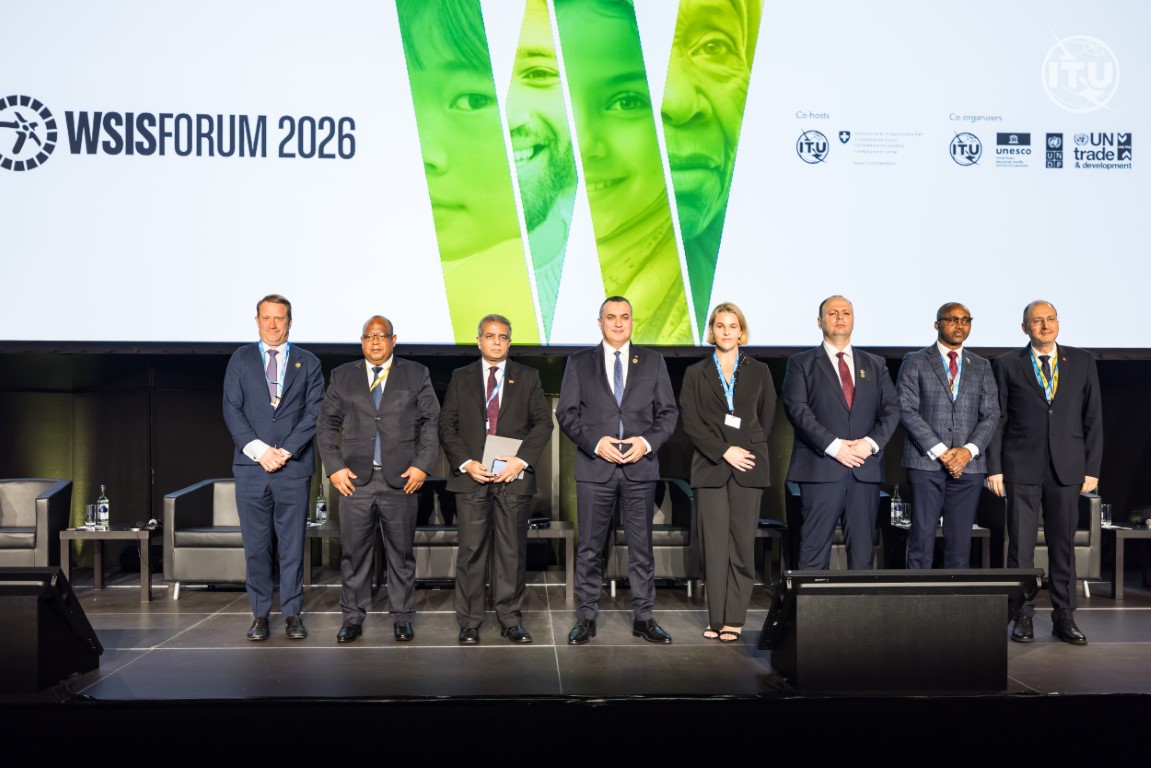
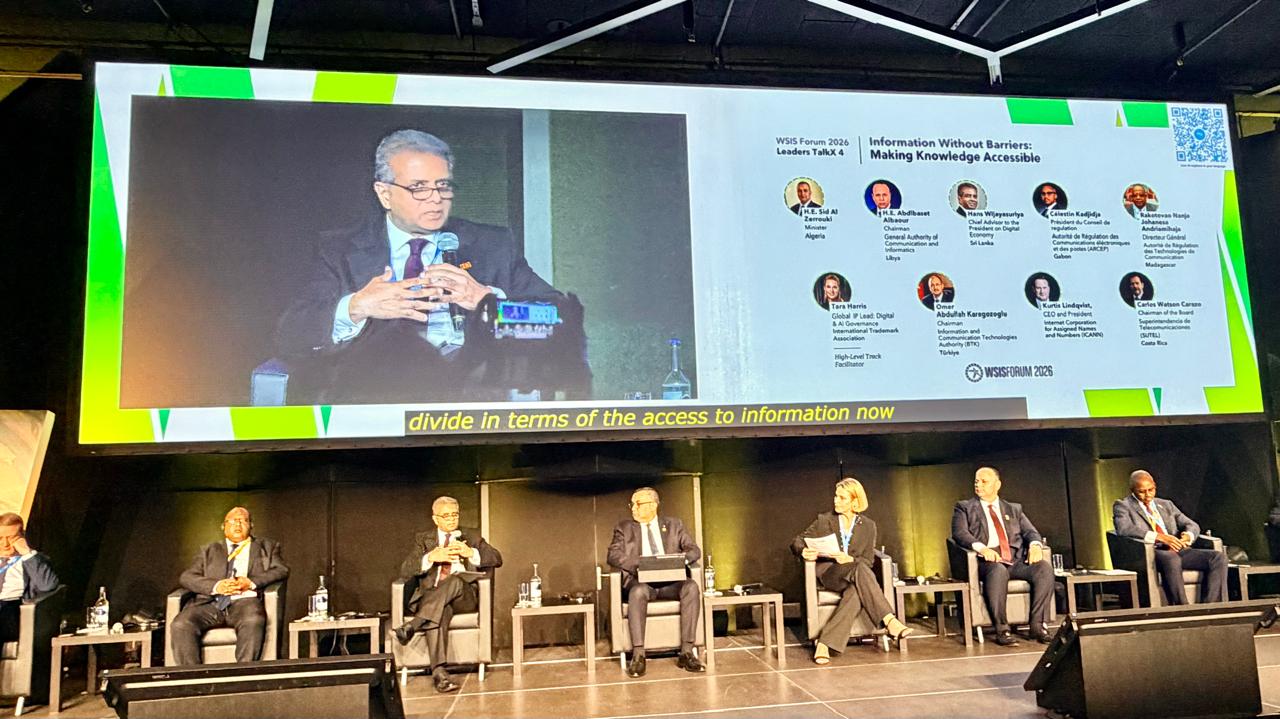
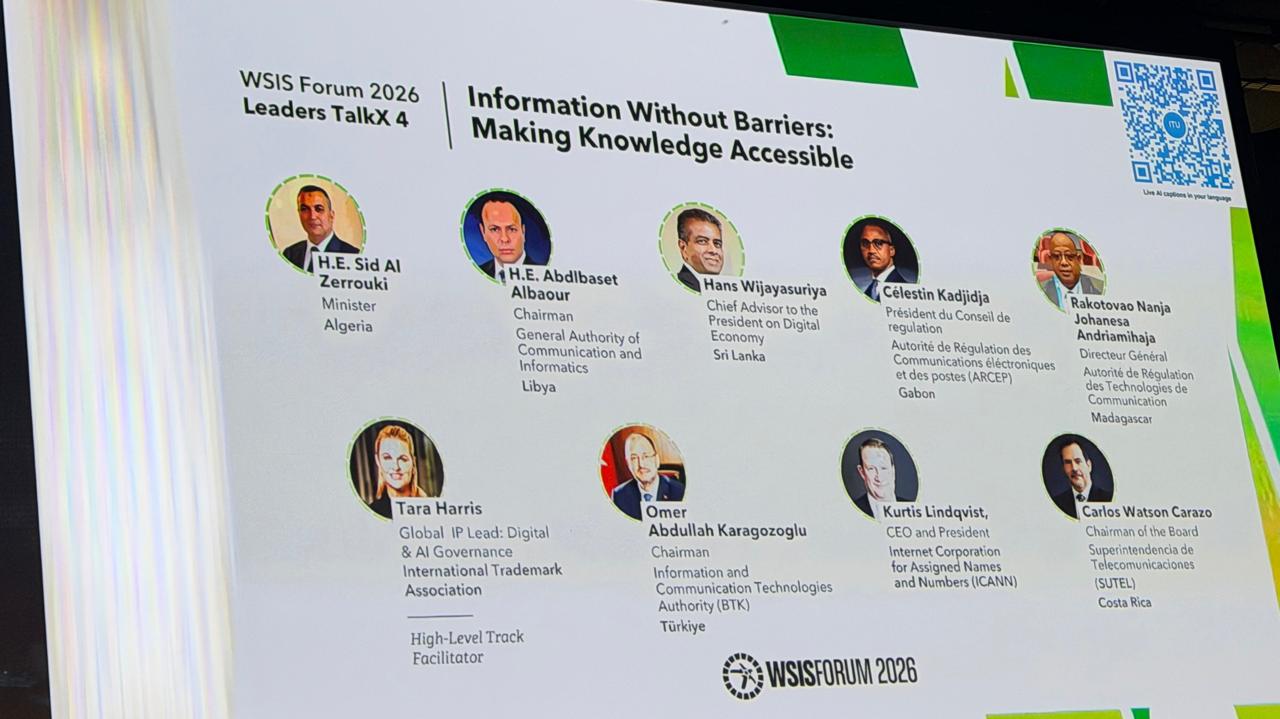
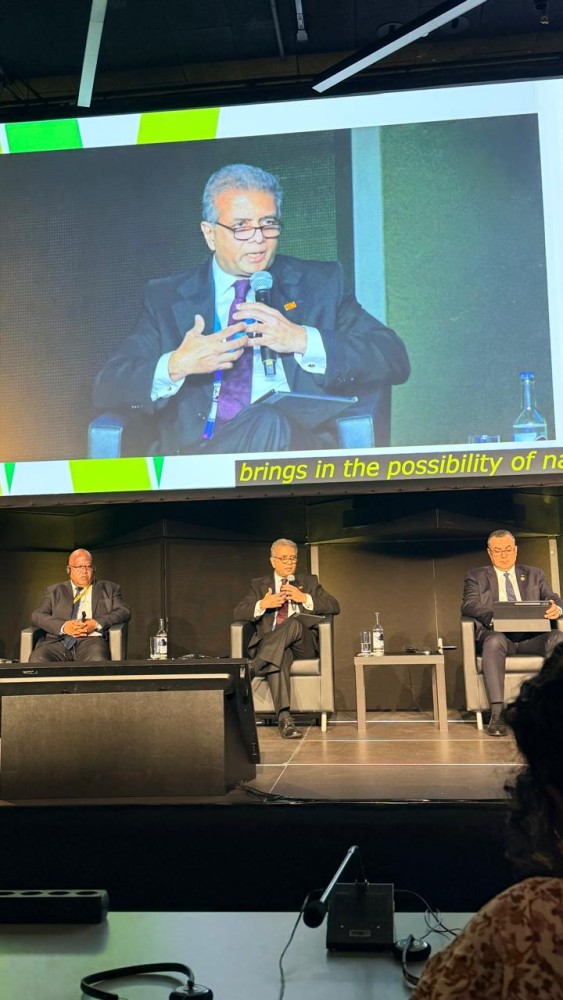
Further expanding on these themes, Dr. Wijayasuriya participated as a featured panelist in the high-level Leaders TalkX session on “Information Without Barriers: Making Knowledge Accessible” at the WSIS Forum.
Dr. Wijayasuriya also joined the Ministerial Roundtable with participating Ministers from other States and detailed Sri Lanka’s national digital transformation strategy, which integrates AI-powered language models, speech recognition, and translation services directly into the country’s Digital Public Infrastructure (DPI) to foster civic and economic inclusion.
On the margins of the summits, the Dr. Hans Wijayasuriya engaged in a series of bilateral meetings with global tech ministers, heads of international organizations, and diplomatic dignitaries, including Minister for Information Technology and Telecommunication of Pakistan, Minister of Justice & Digital Affairs of the Republic of Estonia, Deputy Minister of Communications and Digital Technologies of South Africa, Secretary-General of the Ministry of Communications of Malaysia, Vice President for Digital and AI of the World Bank, Deputy-Secretary General of the International Telecommunication Union (ITU) etc.
Dr. Wijayasuriya also addressed the event "From India to Geneva: A Global Convening on AI Impact at Scale," which was also addressed by the Minister of State for External Affairs; and Environment, Forest and Climate Change of India.
Through these targeted engagements, the high-level delegation of Sri Lanka explored technical cooperation, cross-border digital alignment, and knowledge sharing to accelerate Sri Lanka's pathway towards a digital economy. These engagements further consolidated Sri Lanka's position as a proactive and emerging digital hub in the Indian Ocean.
Dr. Wijayasuriya was accompanied by the Permanent Representative of Sri Lanka to the United Nations in Geneva, Ambassador Sumith Dassanayake, Director General of the Telecommunications Regulatory Commission of Sri Lanka (TRCSL), Air Vice Marshal (Retd) Bandula Herath, and senior officials of the Permanent Mission in Geneva.
The Permanent Mission of Sri Lanka to the United Nations in Geneva
12 July 2026







Question:
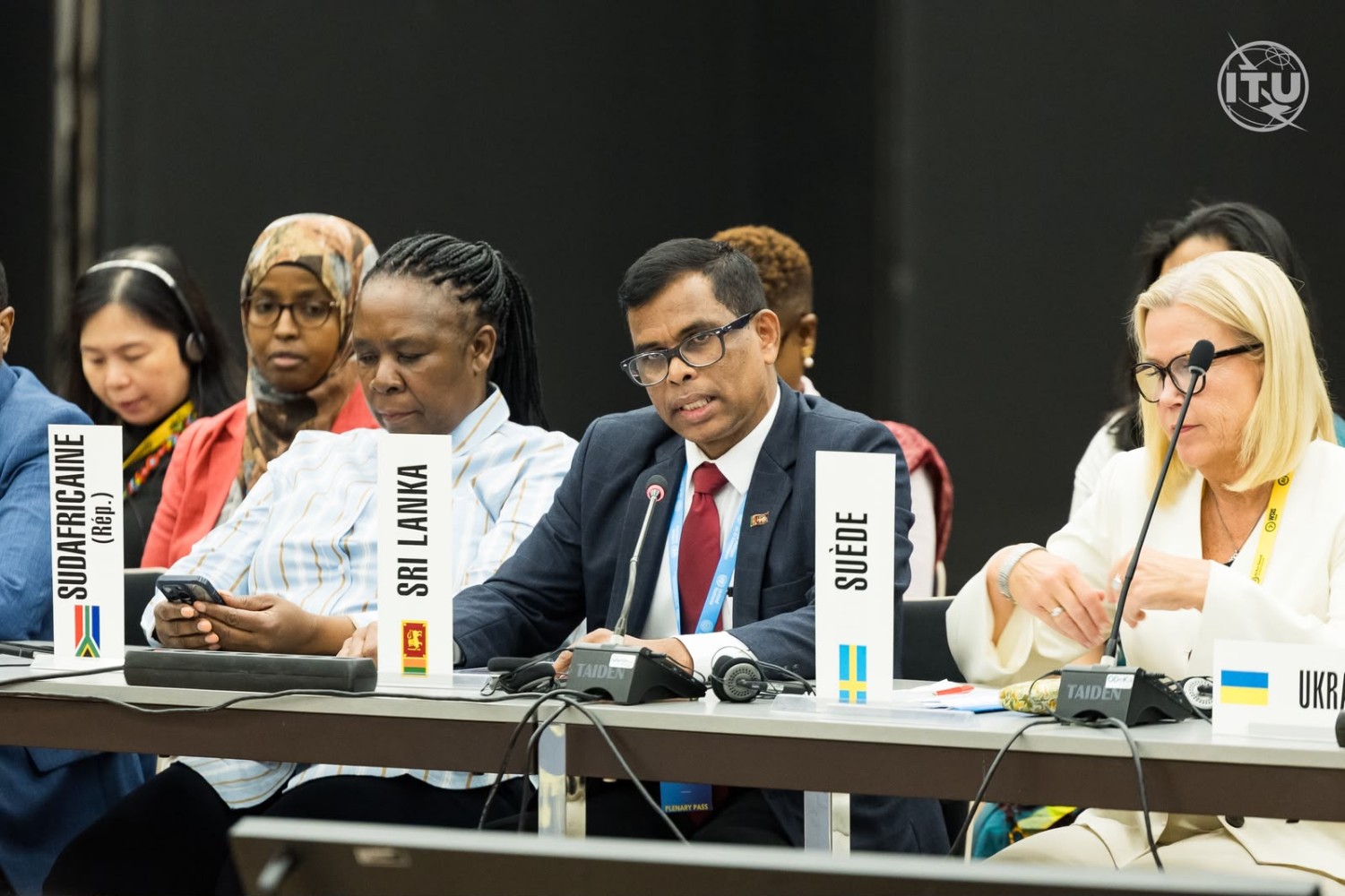
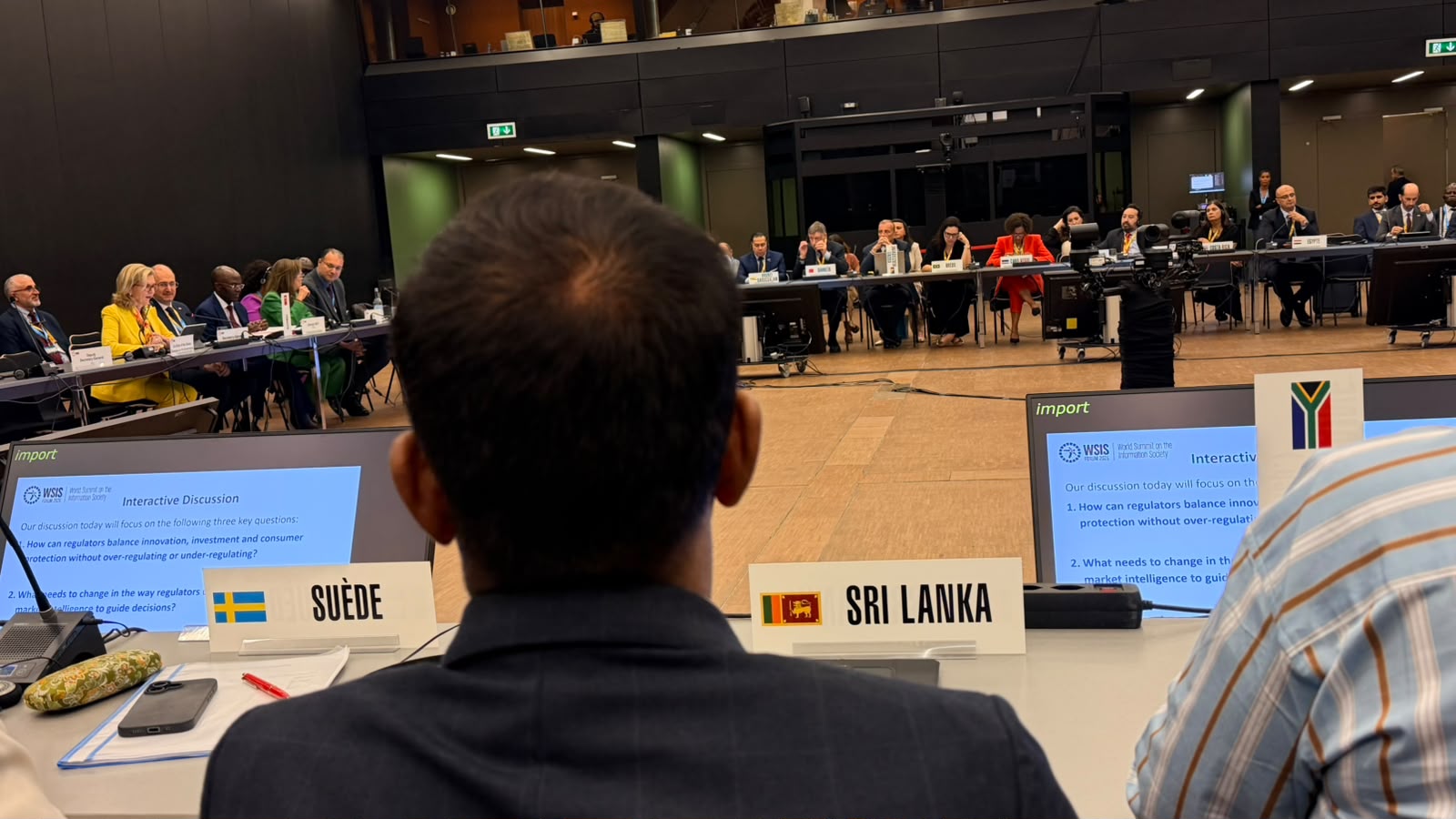
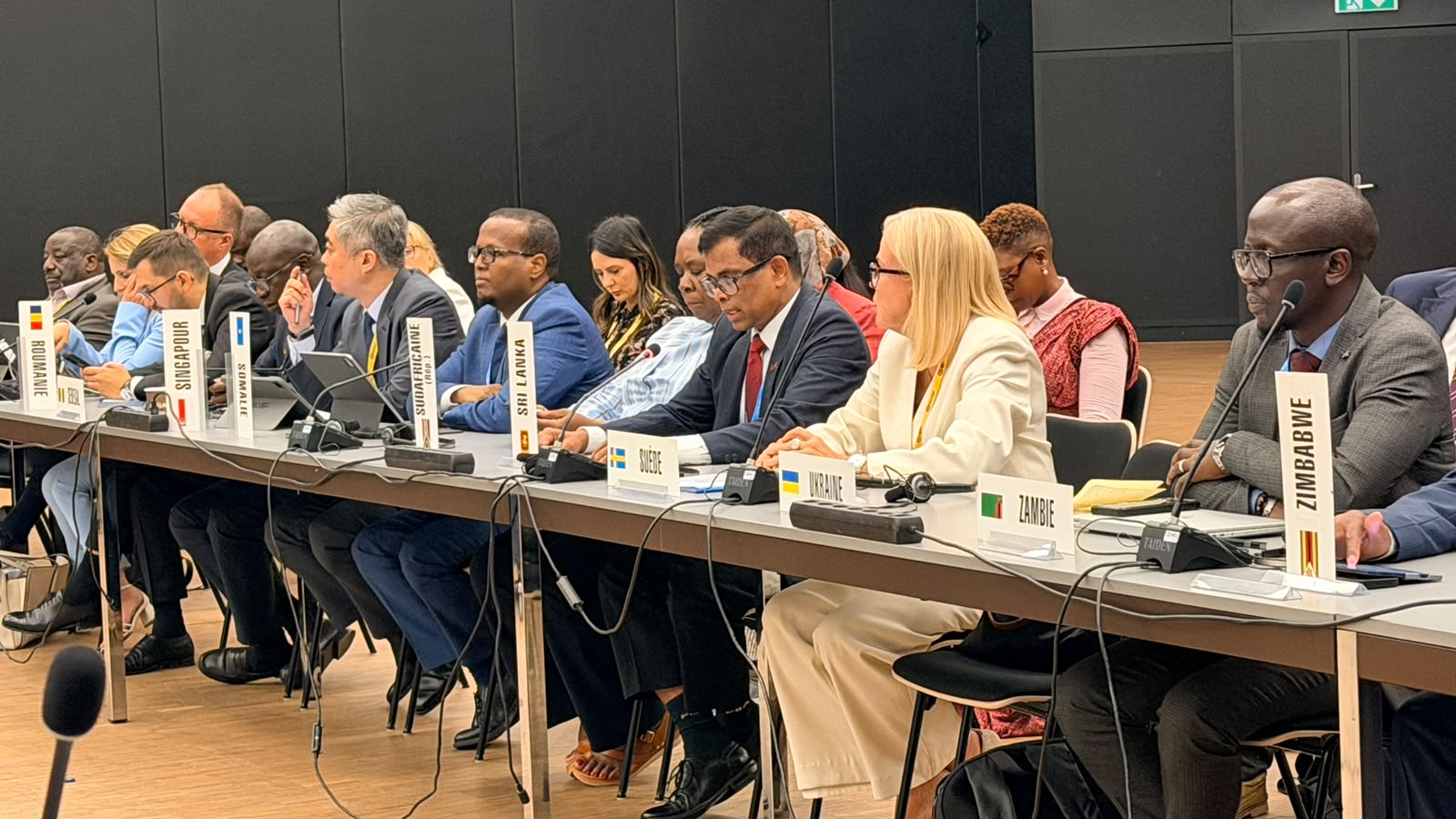
How can regulators balance innovation, investment and consumer protection without over-regulating or under- regulating ?
Chair,
Excellencies, Ministers,
Distinguished Heads of Regulatory Authorities, ladies and gentlemen,
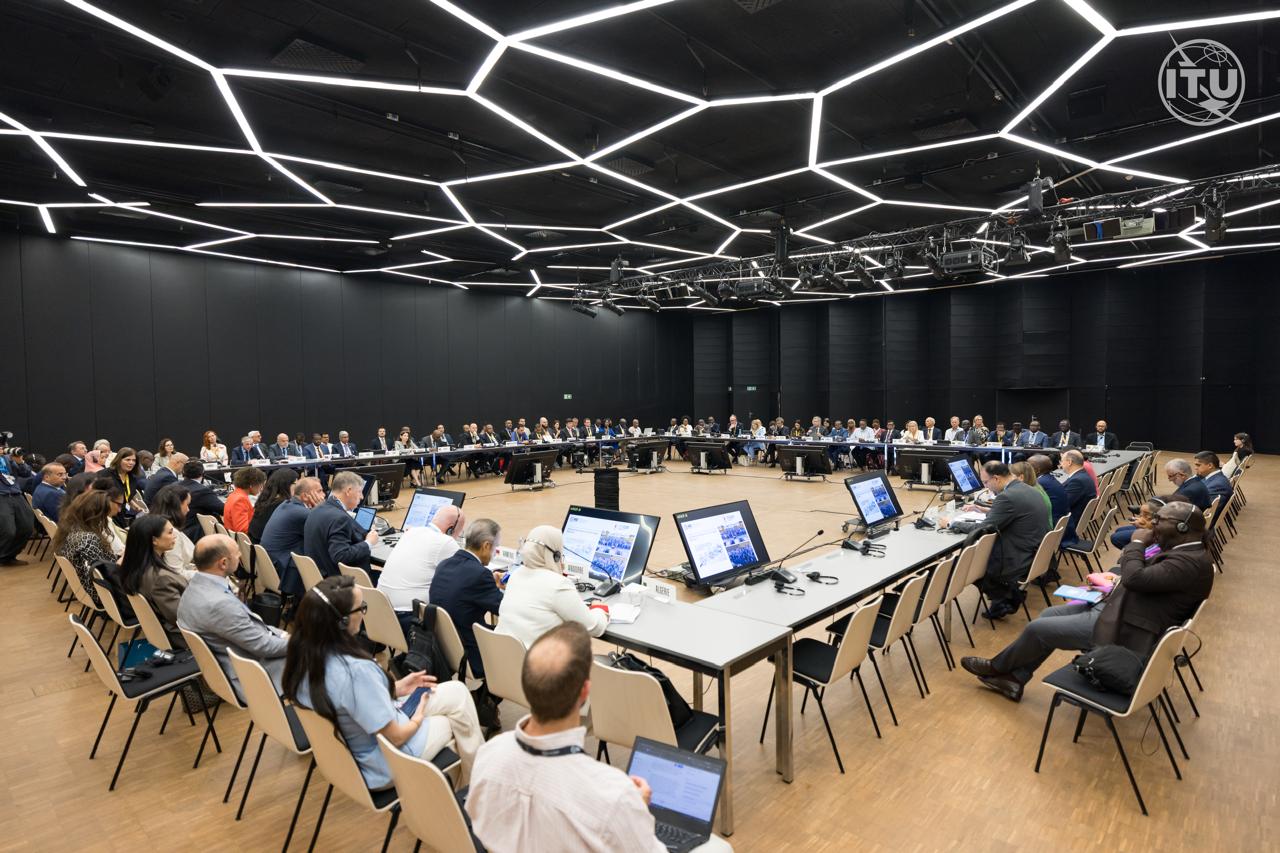
It is a privilege to participate in this WSIS Forum 2026 Regulators Roundtable and to reflect on how we can collectively translate the GSR-26 Governance Essentials into practical, implementable regulatory approaches for digital markets.
Across our jurisdictions, the digital economy is evolving at a pace that increasingly outstrips traditional regulatory cycles. In this context, the Governance Essentials provide a valuable shared reference point to support regulatory coherence, predictability, and investment confidence, while safeguarding public interest.
Sri Lanka’s National Digital Economy Strategy 2030 sets out an ambitious vision for a trusted, inclusive, and globally competitive digital economy. Within this national framework, the Telecommunications Regulatory Commission of Sri Lanka (TRCSL) has been progressively advancing a set of regulatory reforms designed to operationalize these principles in practice.
A central priority has been strengthening a predictable and investment-enabling regulatory environment.
In this regard, the Radio Frequency Spectrum Auction Regulations have enhanced transparency and efficiency in spectrum assignment, supporting fair access to a critical national resource and improving investor confidence. Complementing this, the Telecommunications Infrastructure Sharing Regulations encourage both passive and active infrastructure sharing, helping to reduce duplication of investment, improve cost efficiency, and accelerate the extension of connectivity, particularly to underserved and rural communities. In parallel, we continue to place strong emphasis on fair and well-functioning digital markets. The Competition Rules are being supported by enhanced market analysis capabilities, enabling more structured assessments of market dynamics, market power, and consumer welfare outcomes, based on robust evidence and data.
The modernization of the licensing framework through the Provider License Rules further strengthens regulatory clarity and adaptability. The introduction of differentiated license categories—including telecommunication service, infrastructure, and cable landing station licenses also helps facilitate broader participation in the sector and encourages new investment models. On the consumer side, the Broadband Quality of Service (QoS) Standard Rules reinforce our commitment to measurable service standards, ensuring accountability in network performance and improving the overall user experience in an increasingly digital dependent society. In addition, enhanced SIM registration frameworks are being implemented to strengthen trust, improve security, and reduce misuse, thereby supporting the integrity of emerging digital identity and digital financial ecosystems. Across these areas, we are increasingly integrating cost modelling approaches to support transparent and evidence-based regulatory decision-making, particularly in relation to pricing, access, and interconnection. This contributes to a more balanced approach that supports both sustainable investment and consumer protection. Taken together, these initiatives reflect the core intent of the GSR-26 Governance Essentials promoting transparency, accountability, predictability, proportionality, and data-informed regulation in a rapidly evolving digital environment.
In this context, we also welcome the development of the Actionable Core Toolkit (ACT), which we see as a valuable mechanism for supporting regulators in self-assessment, peer learning, and continuous institutional strengthening. In conclusion, Sri Lanka’s experience reinforces the view that governance essentials are most effective when translated into practical regulatory instruments and measurable actions. This approach helps ensure that digital transformation is not only technologically driven, but also institutionally grounded, inclusive, and sustainable, fully aligned with the objectives of the National Digital Economy Strategy 2030.
Thank you.




Every great technological revolution has lowered the barriers to knowledge, but not always equally.
The Internet democratised access to information, but language, literacy, and connectivity still determined who could benefit fully.
Now, AI has the potential to democratise knowledge and understanding, by simplifying access through natural communication, and adapting to language, context, and individual needs.
The promise of this AI dividend is revolutionary, but if AI evolves purely according to market forces,
It will naturally prioritise the most commercially attractive markets and their corresponding language variants, train on the richest datasets, and infer from the context of more homogeneous and advantaged societies.
Many of the world's low-resource languages, together with their ethnic and cultural context risk being excluded.
Inclusive AI therefore cannot simply mean multilingual AI. It must also mean culturally inclusive AI:
AI that embeds local context and knowledge, draws upon millennia of history and civilisation, and embodies the diversity of societies.
Sri Lanka's AI-first, Digital Transformation on the backdrop of a multilingual, multi-ethnic society with a 2500-year recorded history, illustrates both the opportunity and the challenge.
Sri Lanka’s whole-of-economy Digital Transformation blueprint places language equalisation capabilities as Horizontal Digital Public Infrastructures.
We also aspire to deploy AI DPIs which capture ethnic and cultural nuance.
The first manifestation of the model will prioritise citizen services delivered through an AI-powered Government Information Centre engaging citizens through natural conversation.
A farmer will engage with an Agri-AI, a child will access a tutor, all through natural and context enriched conversation. Persons with disabilities will use models which adapt to their individual needs.
An AI DPI based approach will reduce barriers that have existed for generations.
Inequal access to Sovereign AI challenges this inclusive ideal.
Collective action must ensure that Smaller and lower income nations have access to a minimum level of Sovereign AI, so that they can localise AI,
without being forced to compromise Privacy, Policy Autonomy or national resilience.
Our goal must go beyond simply making information available. It should be to ensure that every person can understand and benefit from information, regardless of language, abilities, or the opportunities into which they were born.
If we action these choices today, AI can become, not just another source of inequality,
but the most powerful instrument for Human Development and equalisation of opportunity, the world has ever known.
Thank you.


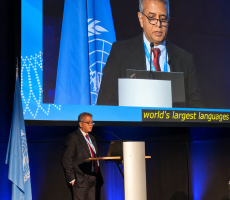
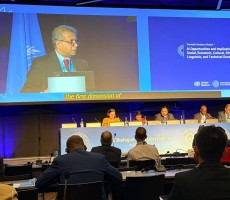

Co-Chairs, Excellencies, Distinguished Colleagues,
As AI increasingly becomes the interface between people and knowledge, public services and economic opportunity, inclusion will no longer be determined simply by whether people have access to AI.
Inclusion will depend on whether AI understands the people it is intended to serve.
The first dimension of this challenge is language. Today, several hundred languages and dialects remain under-served, in terms of limited datasets, language technologies and AI models.
If left solely to market forces, AI will naturally evolve around the world's largest languages, leaving many communities on the margins of the AI economy.
Closing this gap requires investment in language equalizing technology, linguistic datasets and foundation models
But language parity alone will not suffice. True symmetry also requires culturally inclusive AI.
An AI system that understands my language and dialect perfectly, but does not understand my cultural context, is only partially inclusive.
If AI cannot recognize local value systems, traditions and institutions, farming practices, legal systems or cultural norms, it cannot provide advice that is trusted or relevant.
AI must understand not only how we speak, but also how we live within our societal construct.
Deep and meaningful inclusion then raises the imperative of Sovereign AI – the ability for countries to deploy AI in ways that reflect their own National Priorities, Cultures and languages, without having to compromise independence, sensitive data or national resilience.
To reach these ideals, Sri Lanka's digital transformation architecture places AI powered language equalizers as Digital Public Infrastructures.
Language models, speech recognition, optical character recognition and translation services will become Horizontally platformed shared capabilities, that can be reused across government, industry and society.
Simultaneously, AI will also enrich adjacent DPIs – such as conversational government information services and multi-lingual farmer advisory services.
Investments in these capabilities are investments in equal opportunity, but smaller and less affluent nations will not achieve these ideals, unless international cooperation bridges both the Sovereign AI Gap as well as Gaps in Localization.
Deep inclusion requires decisive action from the international community on the multiple fronts of Sovereign AI Infrastructure, Low Resource Language Support, Open-Source Models and research partnerships.
Smaller and Developing nations must not be constrained to being just consumers of AI, but be empowered as contributors to the knowledge, language, and cultural perspectives upon which future AI systems are built.
Ultimately, the success of AI will not be measured only by the intelligence of our models. It will be measured by the diversity of the people they empower.
Thank you.


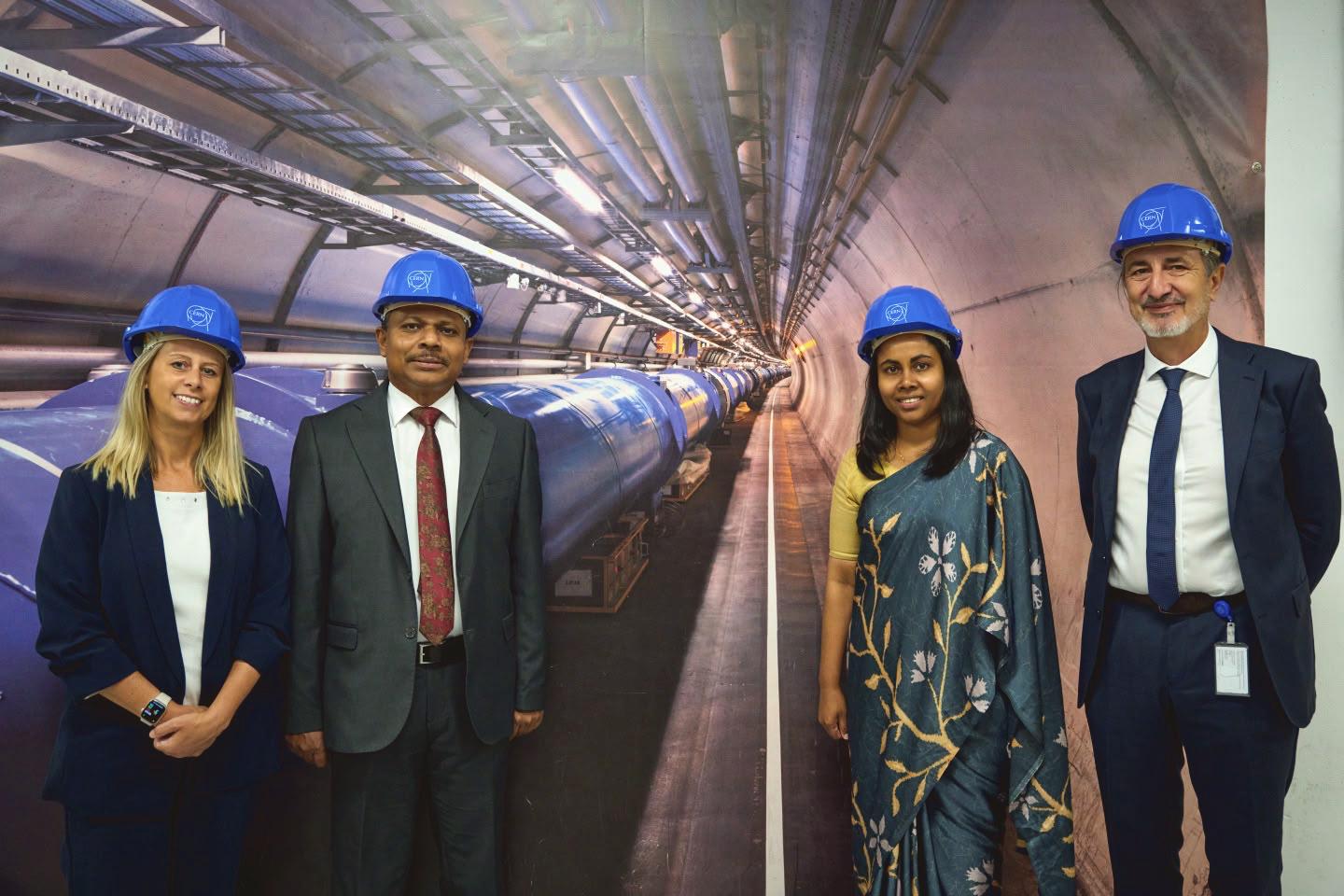
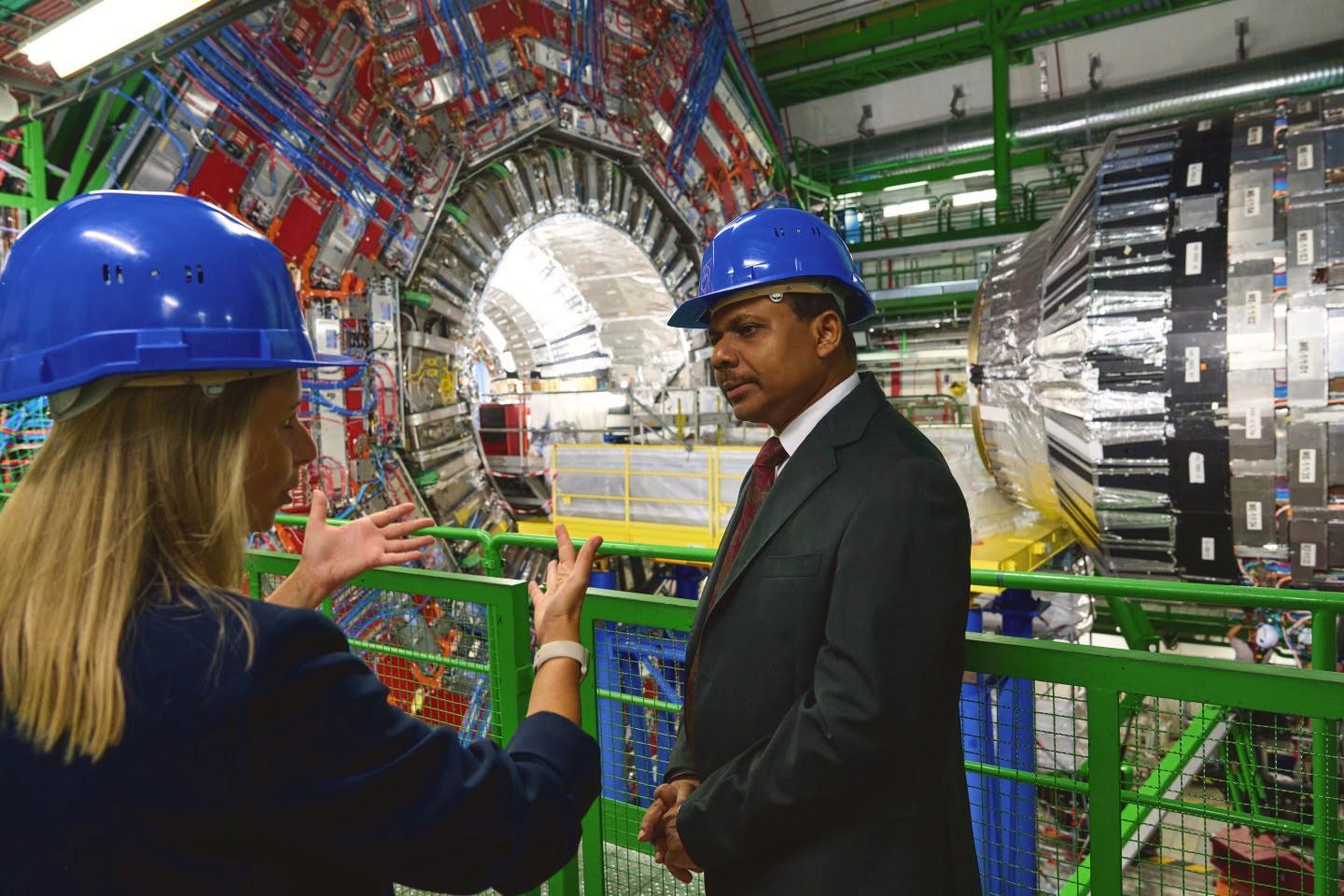
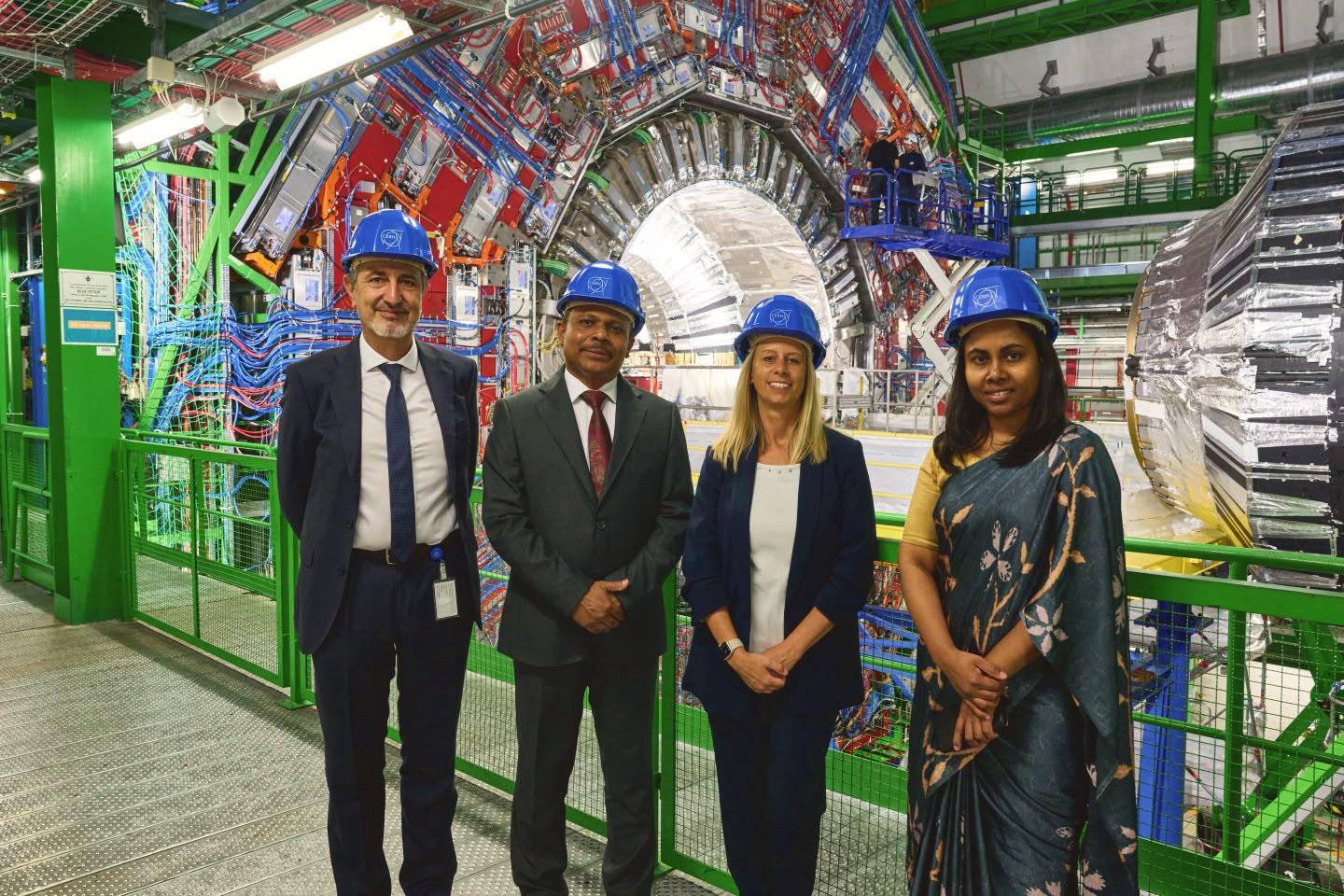
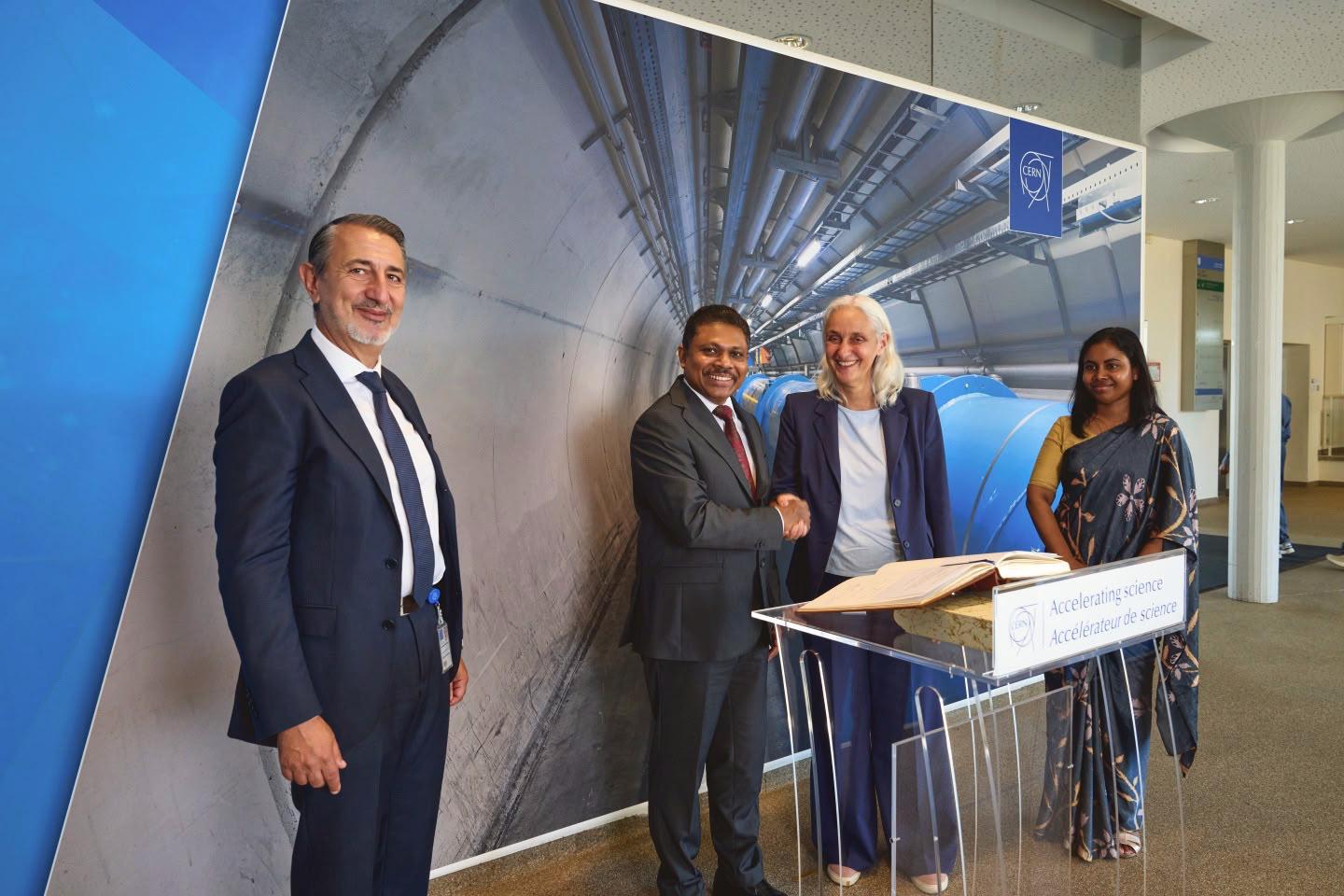


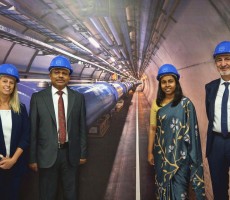
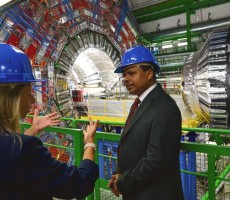
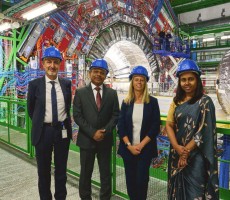
On 26 February 2025, Hon. Vijitha Herath, Minister of Foreign Affairs, Foreign Employment and Tourism, visited the European Organization for Nuclear Research (CERN). Hon. Minister met Ms. Charlotte Warakaulle, Director of International Relations and Prof. Emmanuel Tsesmelis, Head of Non-Member State Relations during the visit and explored future opportunities for Sri Lankan students, academics and scientists to contribute to experiments and research work with CERN while reinvigorating Sri Lanka’s collaboration with CERN.


- Minister of Science, Technology and Research Sujeewa Senasinghe discusses further cooperation with CERN
- Minister Sujeewa Sengasinghe says technology and innovation will be brought closer to the public ensuring that one will be left behind
- Sri Lanka hosts 2nd South Asian High Energy Physics Instrumentation Workshop