


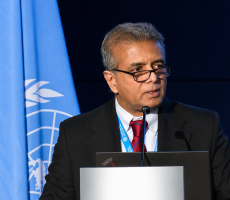
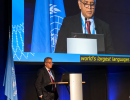
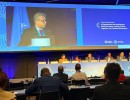
Co-Chairs, Excellencies, Distinguished Colleagues,
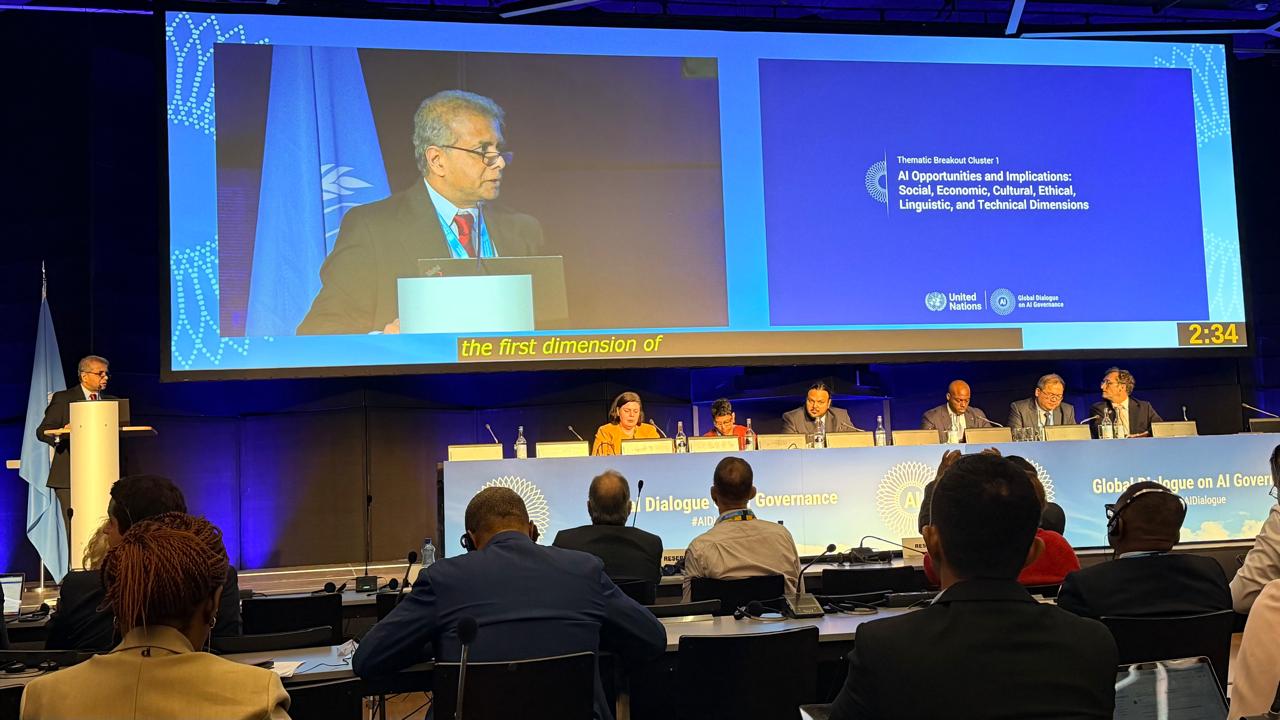
As AI increasingly becomes the interface between people and knowledge, public services and economic opportunity, inclusion will no longer be determined simply by whether people have access to AI.
Inclusion will depend on whether AI understands the people it is intended to serve.
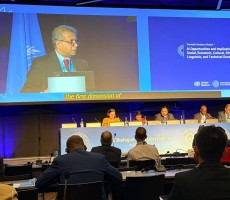
The first dimension of this challenge is language. Today, several hundred languages and dialects remain under-served, in terms of limited datasets, language technologies and AI models.
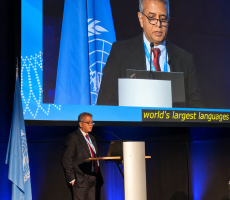
If left solely to market forces, AI will naturally evolve around the world's largest languages, leaving many communities on the margins of the AI economy.
Closing this gap requires investment in language equalizing technology, linguistic datasets and foundation models
But language parity alone will not suffice. True symmetry also requires culturally inclusive AI.
An AI system that understands my language and dialect perfectly, but does not understand my cultural context, is only partially inclusive.
If AI cannot recognize local value systems, traditions and institutions, farming practices, legal systems or cultural norms, it cannot provide advice that is trusted or relevant.
AI must understand not only how we speak, but also how we live within our societal construct.
Deep and meaningful inclusion then raises the imperative of Sovereign AI – the ability for countries to deploy AI in ways that reflect their own National Priorities, Cultures and languages, without having to compromise independence, sensitive data or national resilience.
To reach these ideals, Sri Lanka's digital transformation architecture places AI powered language equalizers as Digital Public Infrastructures.
Language models, speech recognition, optical character recognition and translation services will become Horizontally platformed shared capabilities, that can be reused across government, industry and society.
Simultaneously, AI will also enrich adjacent DPIs – such as conversational government information services and multi-lingual farmer advisory services.
Investments in these capabilities are investments in equal opportunity, but smaller and less affluent nations will not achieve these ideals, unless international cooperation bridges both the Sovereign AI Gap as well as Gaps in Localization.
Deep inclusion requires decisive action from the international community on the multiple fronts of Sovereign AI Infrastructure, Low Resource Language Support, Open-Source Models and research partnerships.
Smaller and Developing nations must not be constrained to being just consumers of AI, but be empowered as contributors to the knowledge, language, and cultural perspectives upon which future AI systems are built.
Ultimately, the success of AI will not be measured only by the intelligence of our models. It will be measured by the diversity of the people they empower.
Thank you.


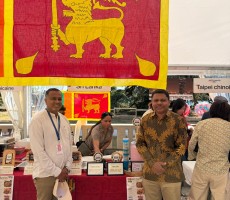
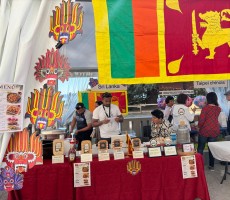
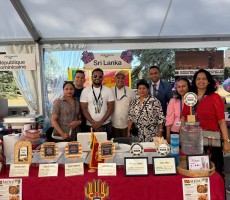
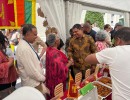
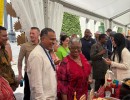
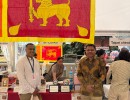
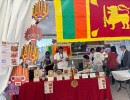
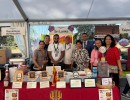
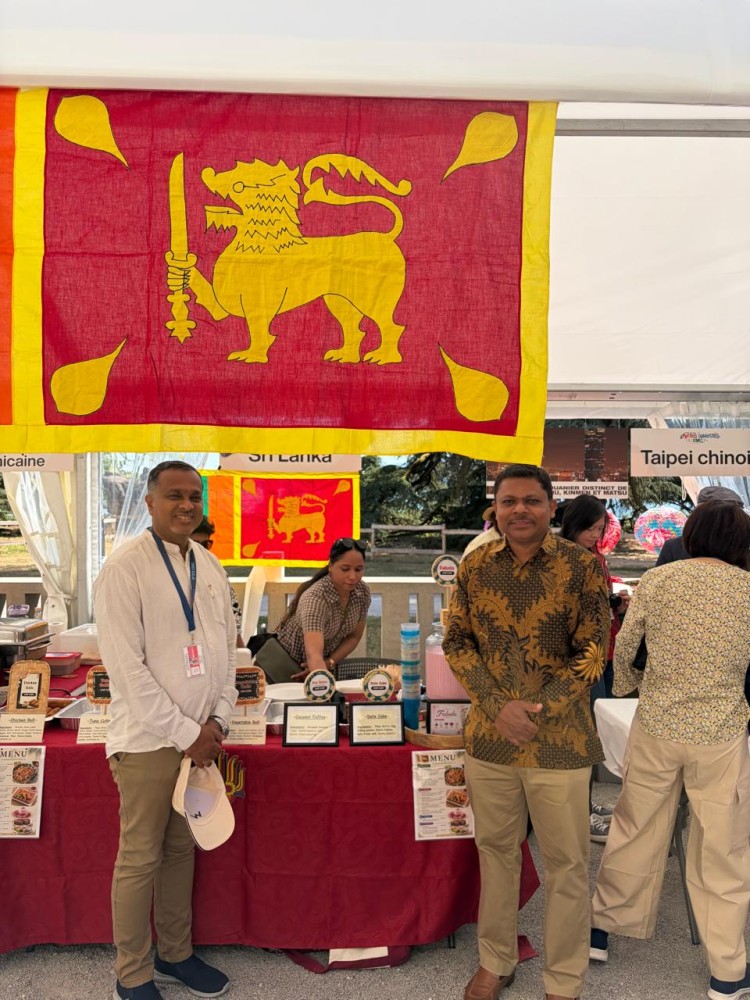
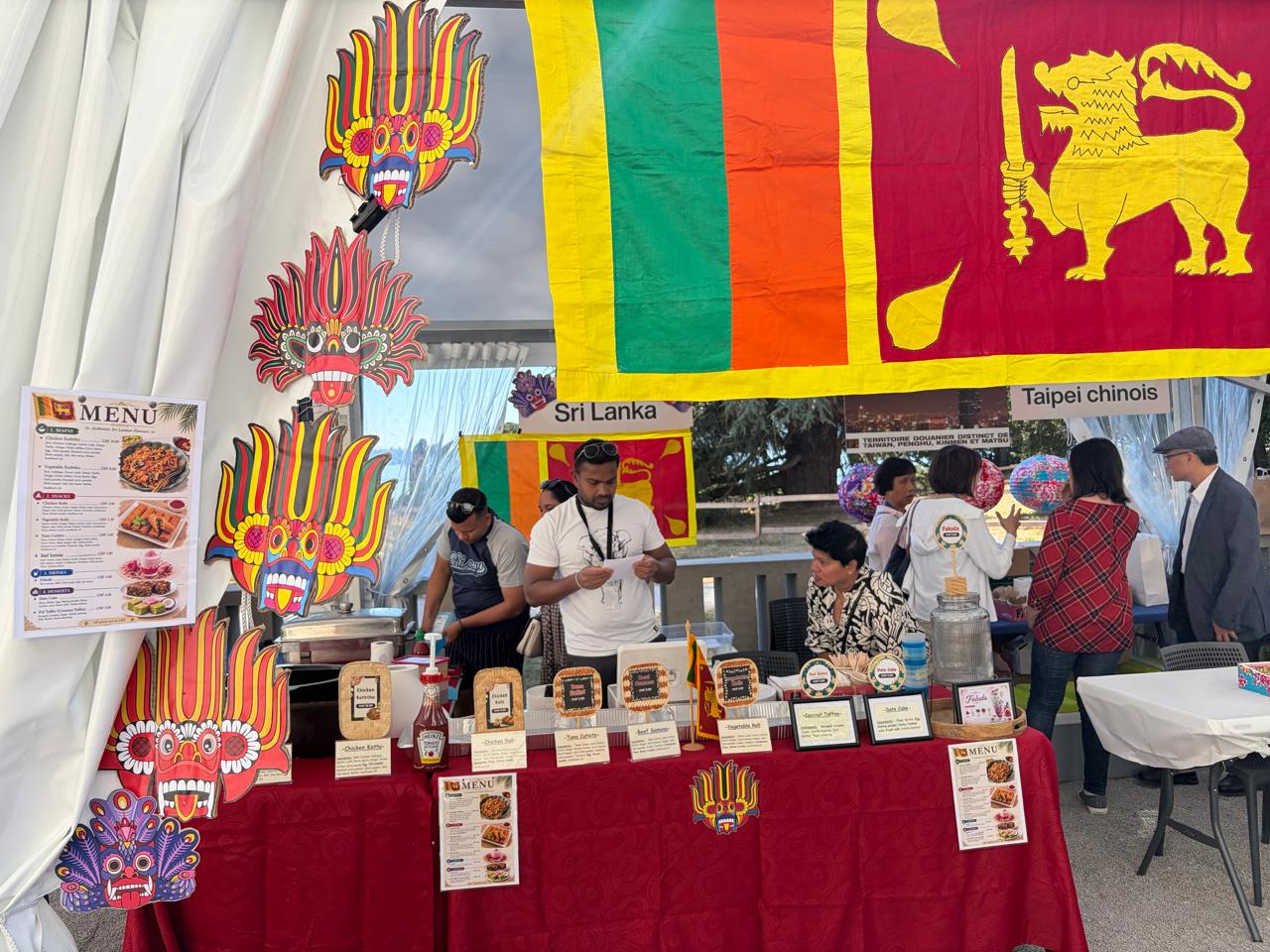
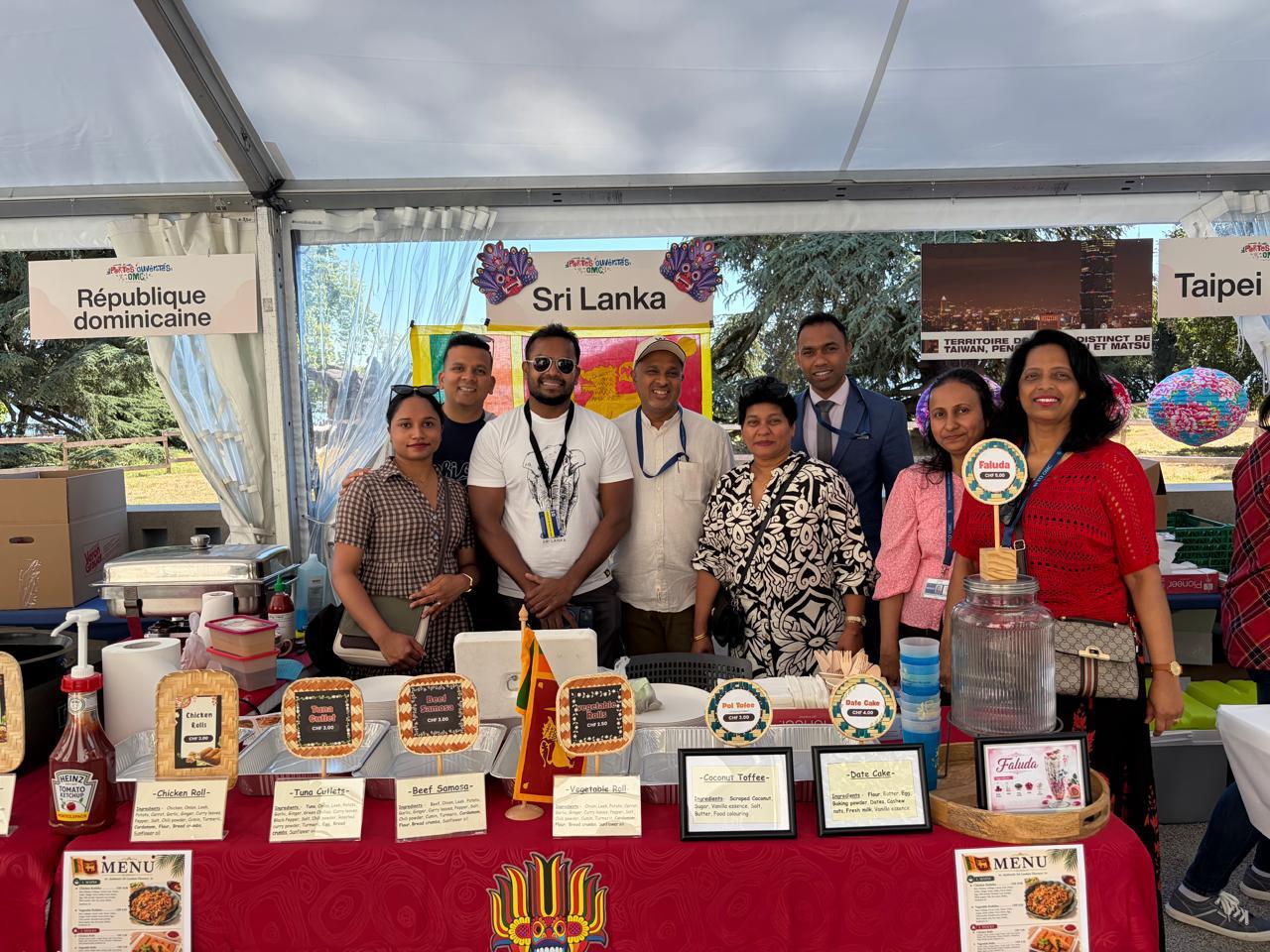
The Permanent Mission of Sri Lanka participated at the ‘WTO Open Day 2026’, held at the World Trade Organization (WTO) Headquarters in Geneva to mark the 100th anniversary of the Centre William Rappard.
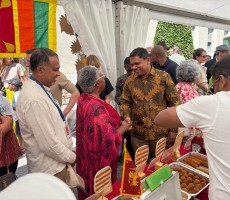
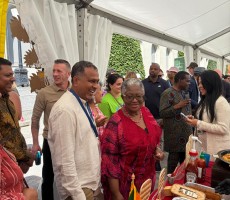
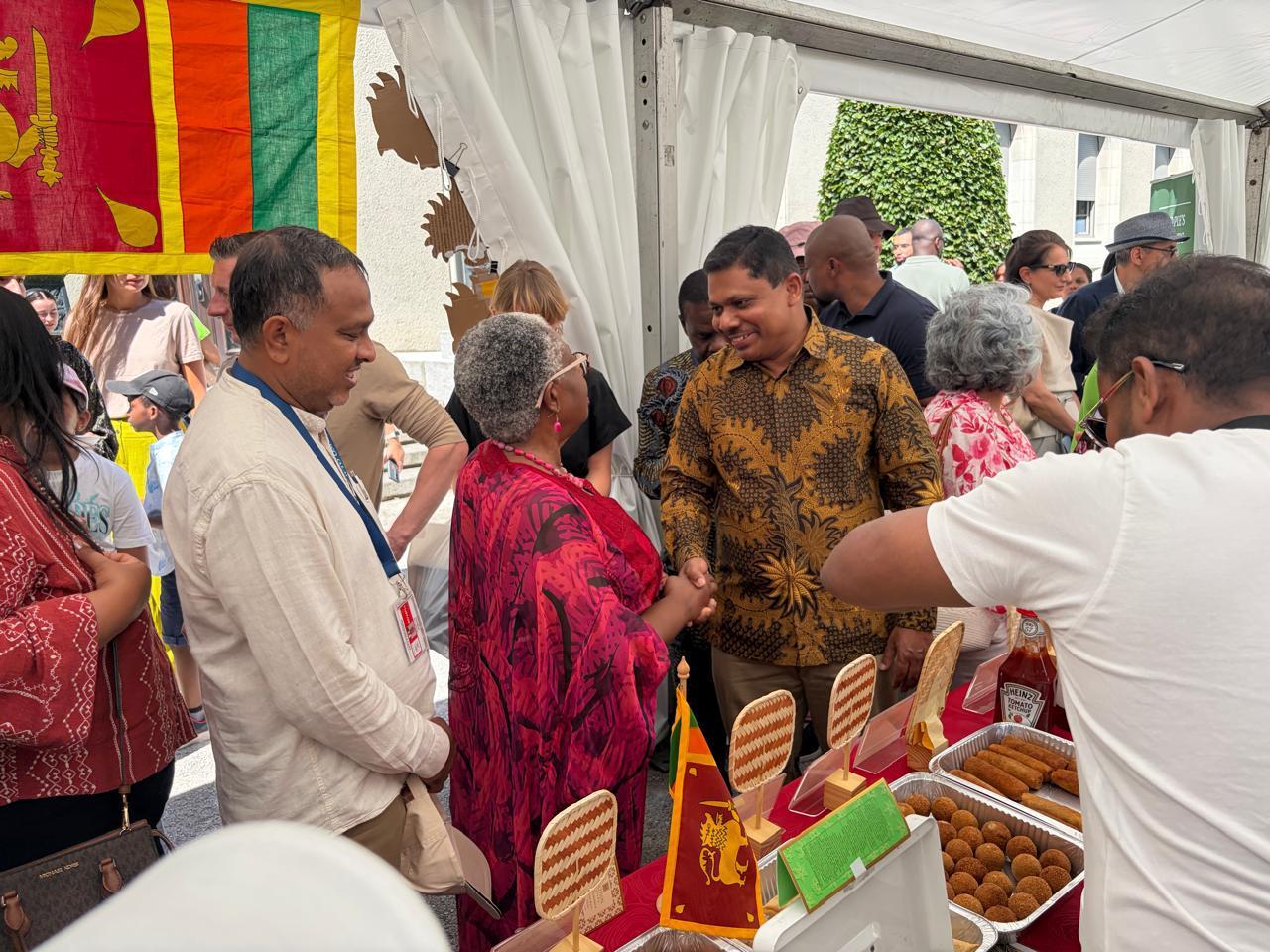
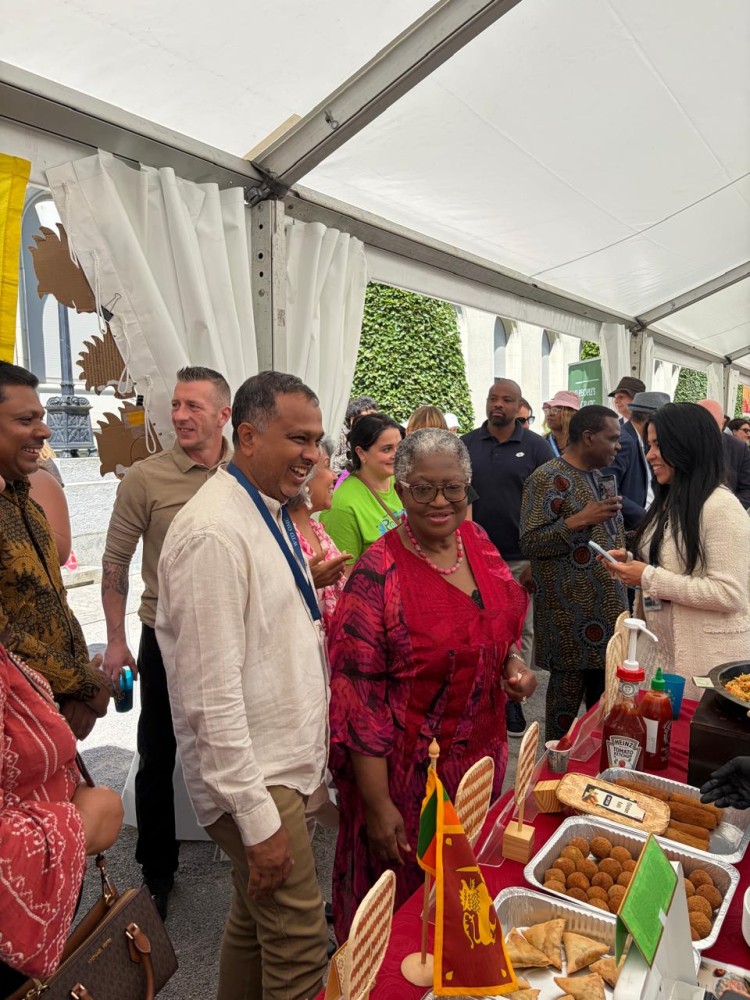
Dr. Ngozi Okonjo-Iweala, Director General of the WTO who visited the Sri Lanka stall was received by Permanent Representative of Sri Lanka to the United Nations in Geneva, Ambassador Sumith Dassanayake and Permanent Representative of Sri Lanka to the WTO, Ambassador Samantha Wijesekara.
The Sri Lanka stall offered visitors an authentic Sri Lankan culinary experience, including the much-loved Sri Lankan Kottu, showcasing the country’s rich food culture, hospitality, and people-to-people connection with the international community in Geneva.
The event opened the WTO’s historic headquarters to the public, offering visitors guided tours, exhibitions, cultural activities, children’s programmes, live music, and an international buffet featuring cuisines from WTO members. The Centre William Rappard, the WTO’s home, is recognized as the first building in Geneva specifically constructed to house an international organization.
Ambassador Samantha Wijesekara, Permanent Representative of Sri Lanka to the WTO, guided Sri Lanka’s unique contribution to the Open Day which highlighted not only the diversity of its culinary traditions but also its continued engagement with the WTO community and its commitment to cultural diplomacy. The event provided a valuable opportunity to share Sri Lanka’s identity, warmth, and traditions with visitors from Geneva and beyond.
The event was supported by the Sri Lankan community in Geneva, specailly, the Sri Lanka Association in Geneva (SLAG).
Permanent Mission of Sri Lanka in Geneva
06 July 2026


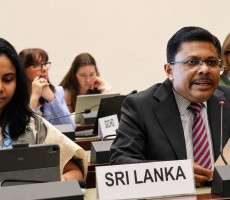
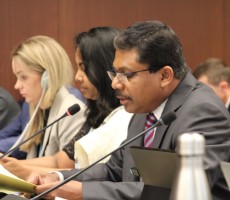
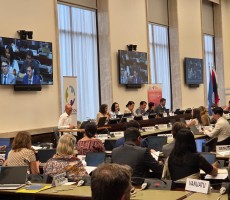
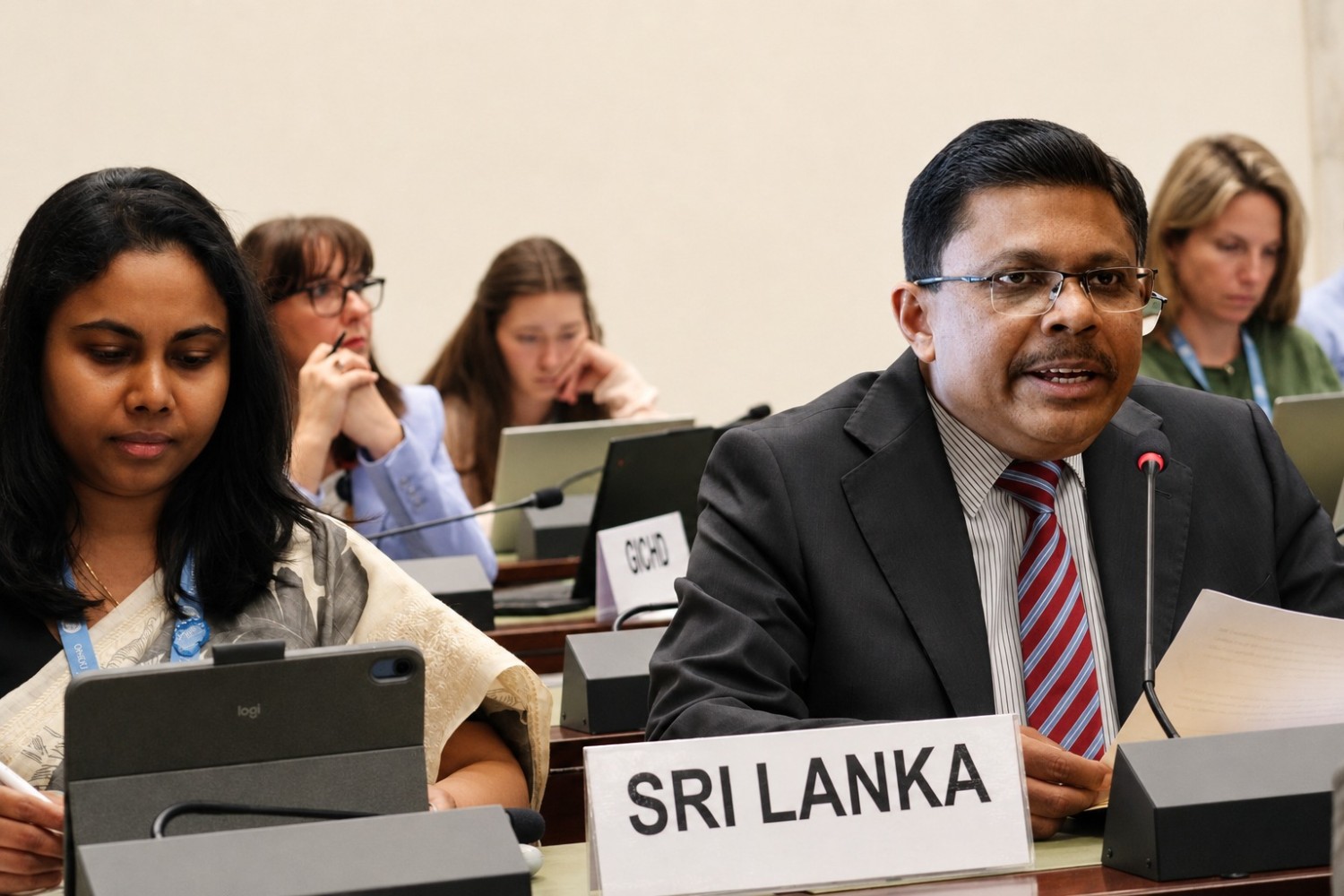
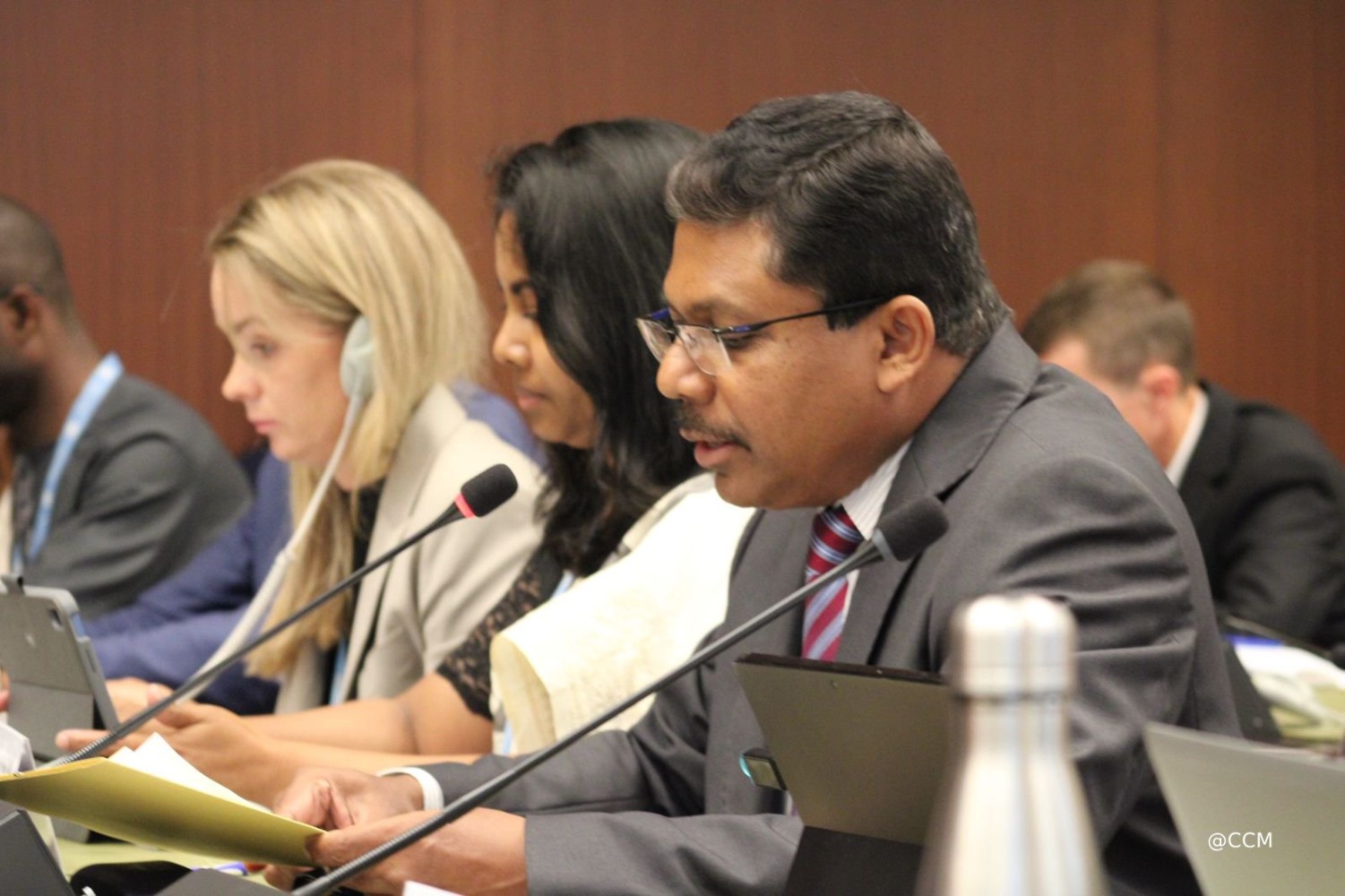
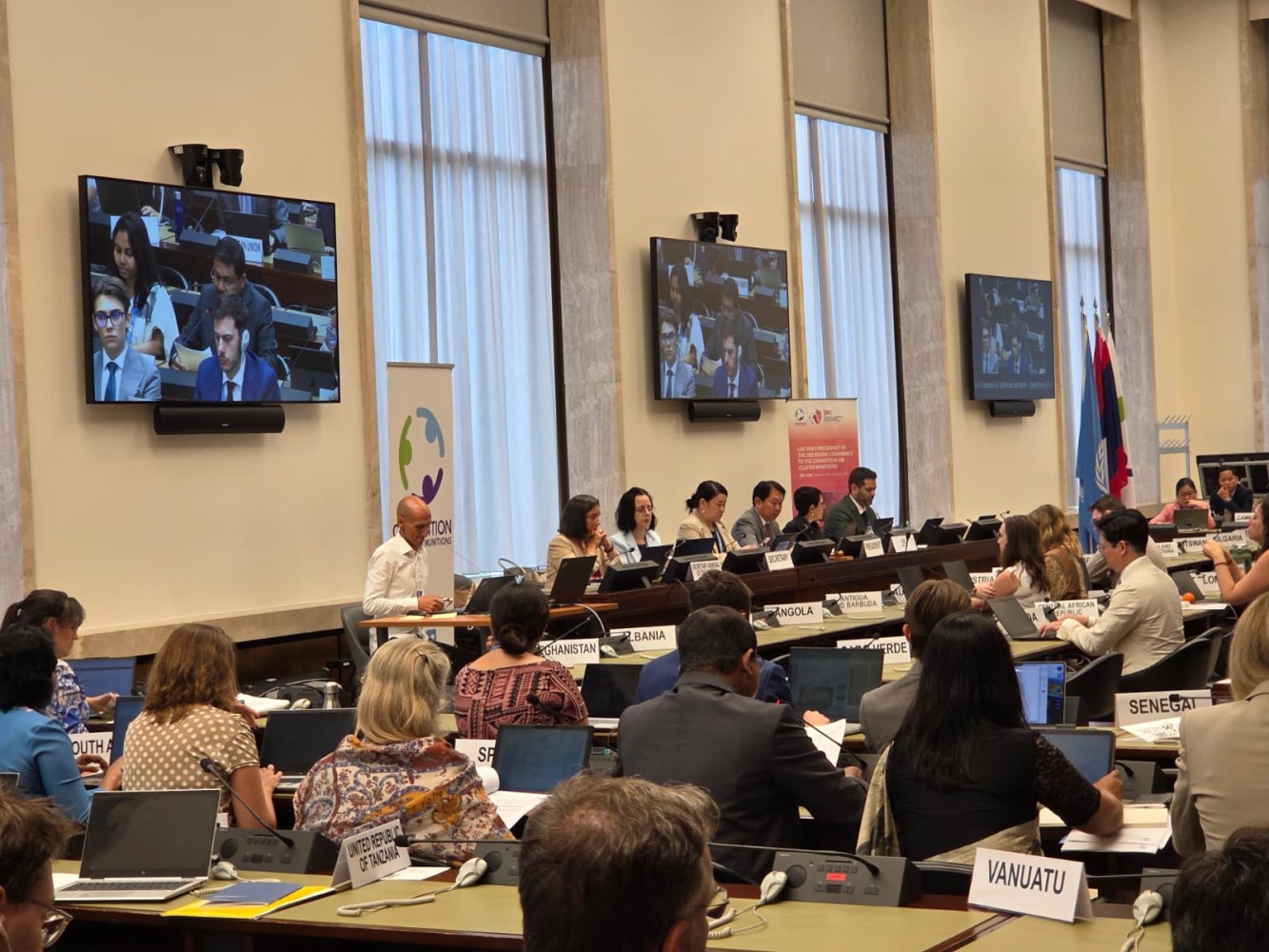
The Permanent Representative of Sri Lanka to the United Nations in Geneva, Ambassador Sumith Dassanayake addressed the Second Preparatory Meeting of the Third Review Conference of the Convention on Cluster Munitions (CCM), on 01 July 2026 at the Palais des Nations, Geneva. In his statement Ambassador Sumith Dassanayake, outlined constructive observations for further improvement of the Zero Draft of the Vientiane Capital Action Plan (VCAP) 2027–2031.
The United Nations Subcommittee on Prevention of Torture (SPT) concluded its second visit to Sri Lanka on 24 June 2026. The visit took place from 15 to 24 June 2026.


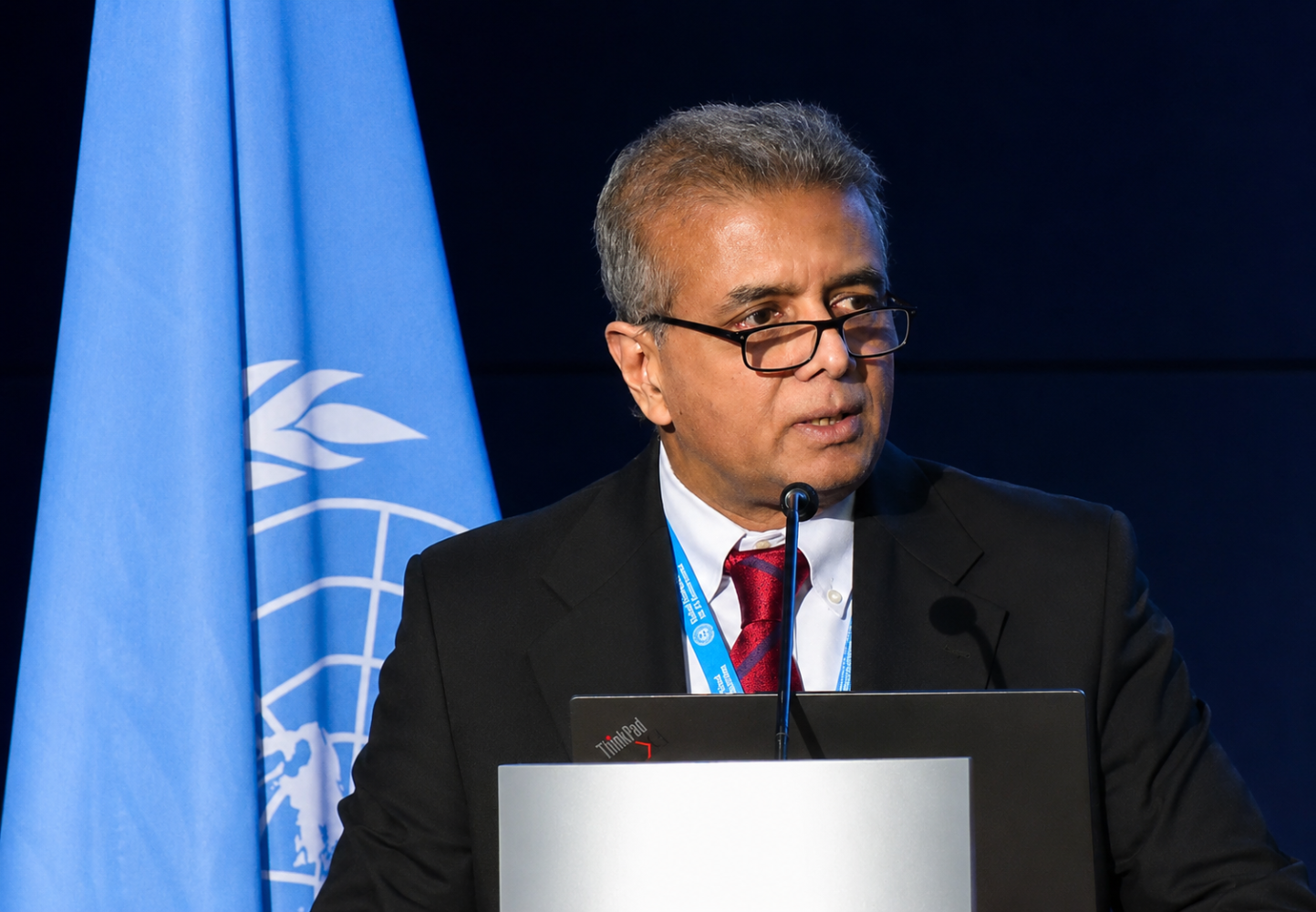
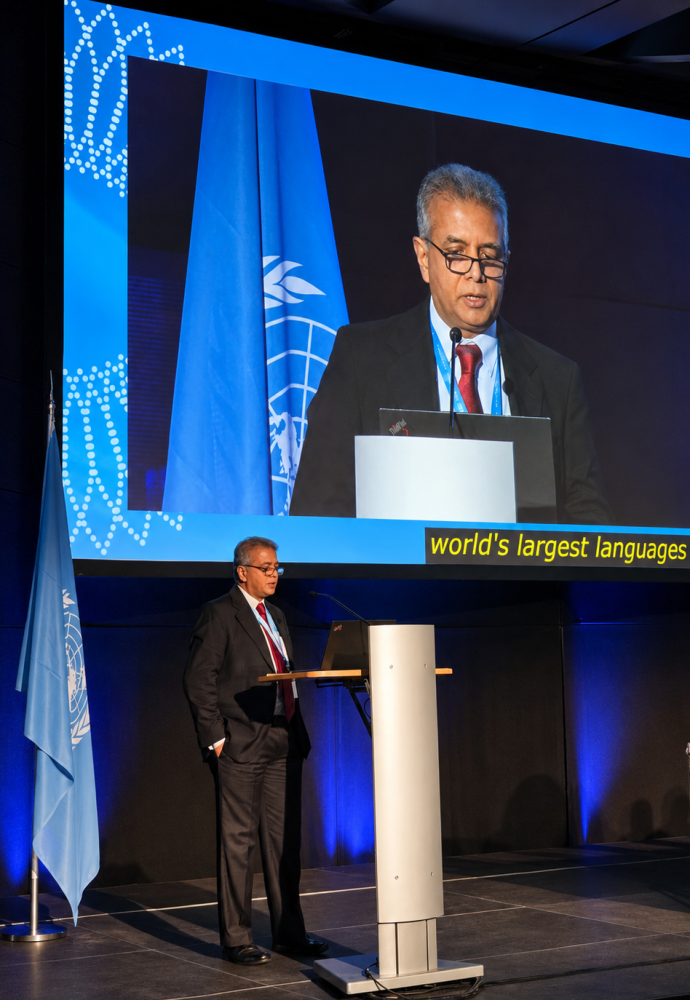


Sri Lanka’s progress in implementing the victim assistance obligations under the Anti-Personnel Mine Ban Convention was presented by Eng. L. Kumudu Lal Bogahawatta, Secretary, Ministry of Housing, Constructions and Water Supply and the Director of National Mine Action Centre at the 2026 Inter-sessional Meeting of the Anti-Personnel Mine Ban Convention on 16 June 2026.
- Interventions made by Sri Lanka during the Informal Exchanges on Artificial Intelligence (AI) in the Military Domain and its Implications for International Peace and Security, 15-17 June 2026
- Permanent Representative Sumith Dassanayake reassures Sri Lanka’s commitment to advancing human rights through nationally owned, democratic and constitutionally grounded processes at the 62nd Session of the United Nations Human Rights Council in Geneva
- Ambassador Sumith Dassanayake reaffirms Sri Lanka’s commitment to legally binding approach to govern AI in the Military Domain