


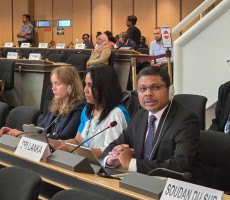
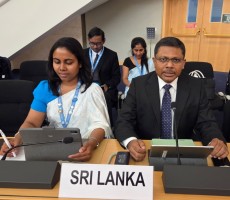
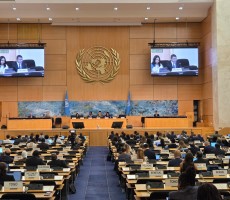
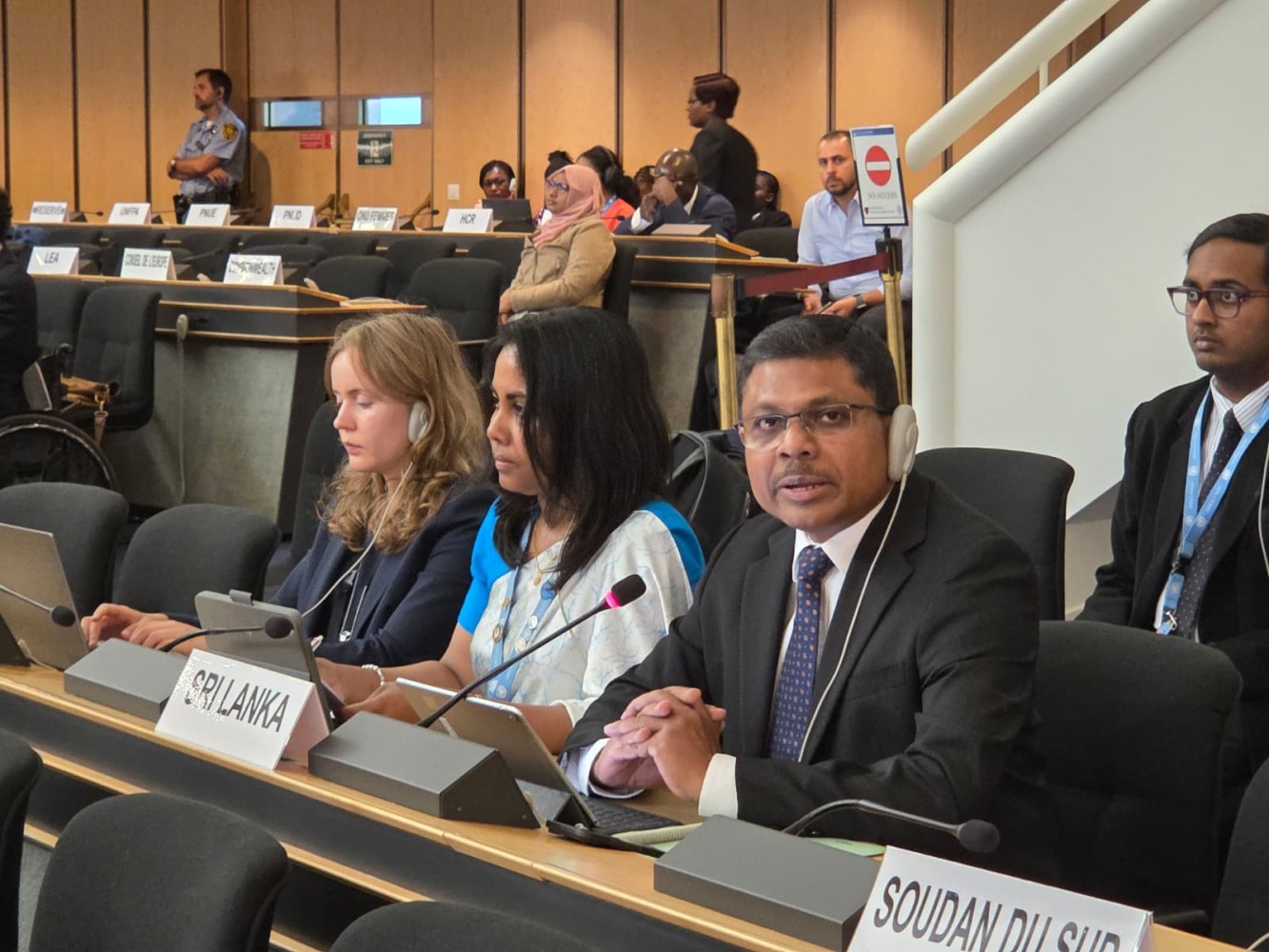
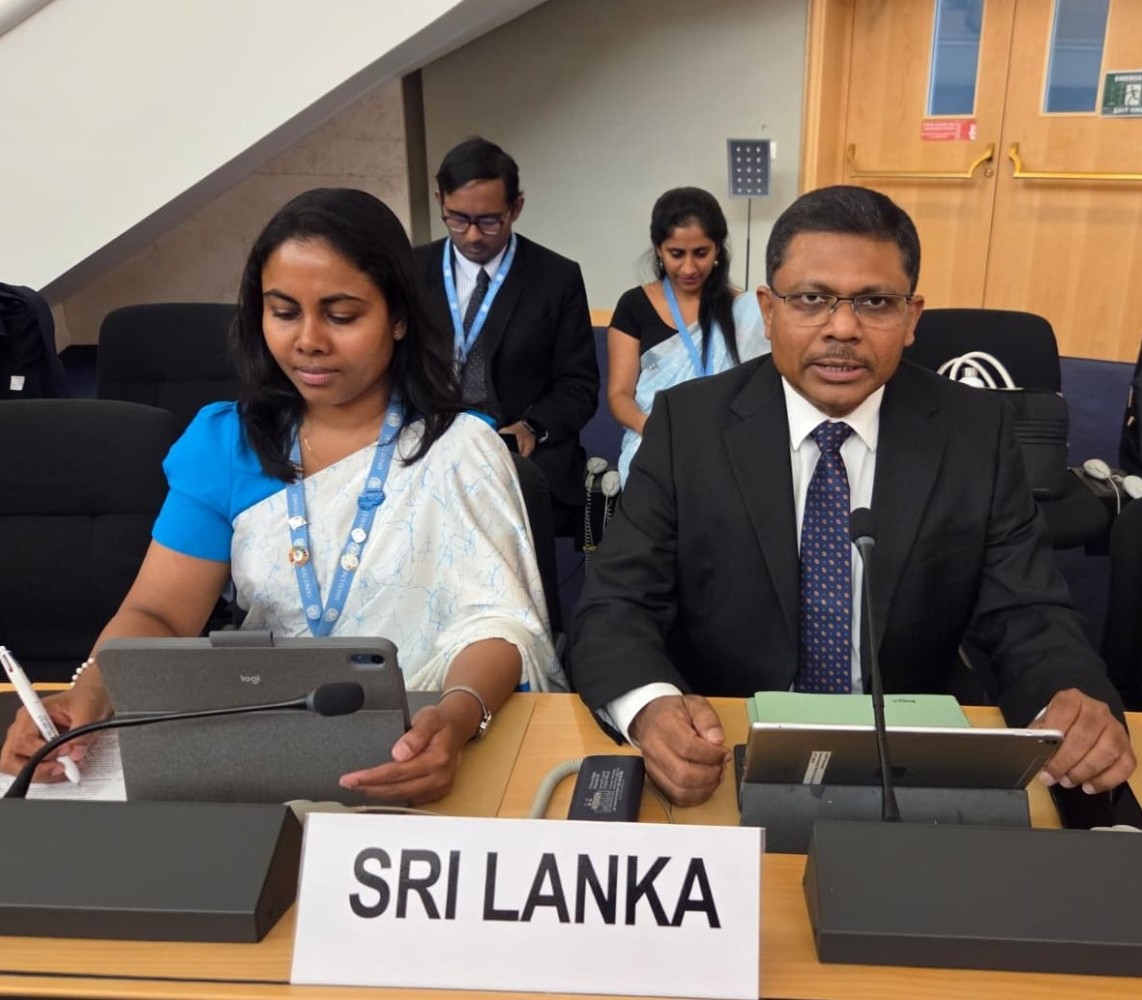
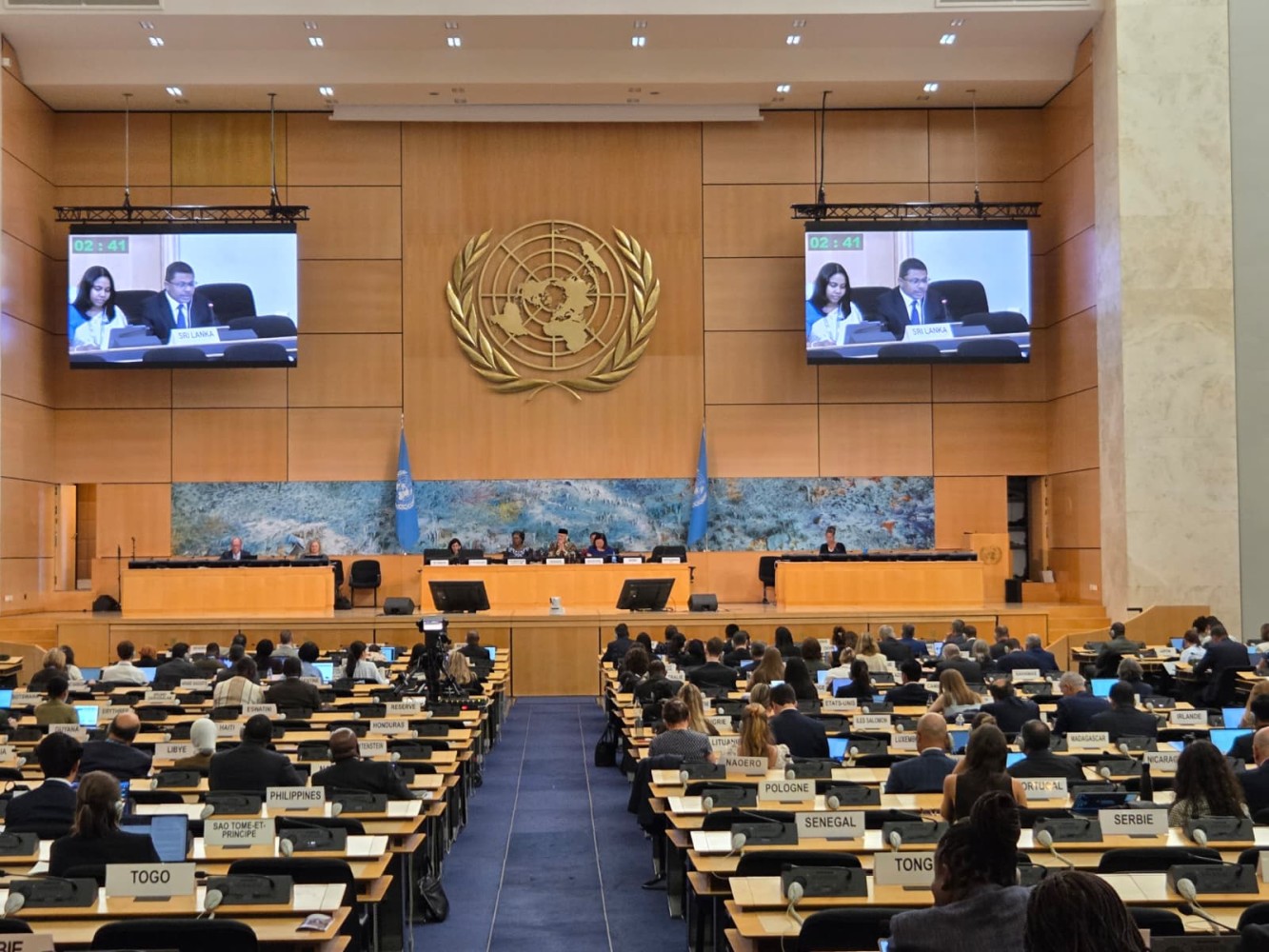
Sri Lanka’s Permanent Representative to the United Nations in Geneva, Ambassador Sumith Dassanayake, addressed the 63rd Session of the United Nations Human Rights Council in Geneva on 08 September 2026, highlighting Sri Lanka’s progress in promoting and protecting human rights. The address was in response to the written update on ‘the situation of human rights in Sri Lanka’ presented by the United Nations Deputy High Commissioner for Human Rights, Awa Dabo. Reaffirming Sri Lanka’s commitment to nationally owned processes for reconciliation and accountability, Permanent Representative Sumith Dassanayake outlined key achievements and ongoing legislative, economic, and institutional reforms to the Council.
Marking two years since President Anura Kumara Dissanayake was elected, the Council was informed that Sri Lanka has returned to upper-middle-income status and recorded a 5% real GDP growth in 2025, demonstrating resilience despite challenges such as Cyclone Ditwah. The Government’s strong anti-corruption drive was also highlighted, specifically the strengthening of the Commission to Investigate Allegations of Bribery or Corruption (CIABOC) and the implementation of the National Anti-Corruption Action Plan (NACAP) 2025–2029.
In his address, the Permanent Representative appreciated the High Commissioner for Human Rights for the recognition of positive developments in Sri Lanka, including progress in investigations, anti-corruption measures and memorialization.
Regarding legislative reforms, Permanent Representative Sumith Dassanayake updated the Council that the Prevention of Terrorism Act (PTA) will be repealed and replaced with new legislation that guarantees fundamental freedoms, with the draft law currently being gazetted before presentation to the Parliament. Furthermore, proposed amendments to the Online Safety Act are being finalized following stakeholder discussions. The Council was also briefed on proposed legal reforms to increase the number of judges and their retirement age to address case backlogs, retain judicial expertise, and enhance access to justice.
The Government continues to empower its independent domestic reconciliation architecture, with the Office of Missing Persons (OMP), the Office for Reparations (OR), and the Office for National Unity and Reconciliation (ONUR) discharging their mandates with strengthened resources.
Additional reconciliation and domestic efforts including the reviewing the draft framework for a Truth and Reconciliation Commission to avoid overlaps with existing mechanism, studying proposals for the establishment of an independent prosecutor’s office via a Supreme Court Judge-led Committee, appointing a special inter-ministerial committee to examine land release and compensation, approving special immigration measures to facilitate the voluntary and safe return of Sri Lankan refugees living in India and addressing the longstanding issues faced by the Malaiyaha community were informed to the Council.
Addressing accountability and institutional reforms, the Council was informed that steps have been taken to re-open investigations into certain key, high-profile cases, demonstrating the Government's commitment to independent national judicial processes. Additionally, accelerated measures are being explored to improve prison administration, and a Committee of Inquiry is conducting a comprehensive investigation into the situation in the Negombo Prison.
Explicitly rejecting Resolution 60/1 and its external evidence-gathering mechanism, Permanent Representative Sumith Dassanayake reaffirmed that such mechanisms create divisions and jeopardize genuine national processes. Sri Lanka urged the Council to assess its situation objectively and to support its national efforts towards a just, prosperous, and reconciled nation.
The full statement delivered at the UN Human Rights Council along with a video recording of the UN webcast is attached.
Permanent Mission of Sri Lanka to the United Nations in Geneva
08 September 2026